
The Report That Was Never Filed: Where Asian Cricket's Cameras Reach and Its Writers Don't
**मुख्य उत्तर:** एशियाई क्रिकेट में सबसे बड़ा विभाजन टेस्ट और T20 का नहीं, दर्ज और अनदर्ज मैचों का है। घरेलू मुक़ाबलों की रिपोर्टिंग लगातार घटी है, इसलिए स्कोरकार्ड रहता है पर संदर्भ खो जाता है; बिना संदर्भ वाला प्रदर्शन चयन, अनुबंध और नीलामी में कमज़ोर पड़ता है। **मुख्य तथ्य:** - रणजी ट्रॉफी में अड़तीस टीमें और एक सत्र में सौ से अधिक मैच खेले जाते हैं, पर हर मैच पर पूर्णकालिक रिपोर्टर नहीं होता। - 2017 महिला विश्व कप में हरमनप्रीत कौर ने ऑस्ट्रेलिया के ख़िलाफ़ डर्बी में 171 रन बनाए; भारत लॉर्ड्स फ़ाइनल इंग्लैंड से नौ रन से हारा। - जनवरी 2021 गाबा टेस्ट में आठ चोटों के बाद भारत ने तीन विकेट से जीतकर ऑस्ट्रेलिया का बत्तीस साल का अजेय क्रम तोड़ा। - IPL मेगा नीलामी फ़रवरी 2022 में बेंगलुरु में हुई; अनसोल्ड खिलाड़ियों का तीन महीने बाद तक व्यवस्थित अनुसरण नहीं होता। - महिला प्रीमियर लीग मार्च 2023 में शुरू हुई; दर्शक संख्या दर्ज होती है, कवरेज की गहराई दर्ज नहीं होती। **स्रोत:** कार्तिक शाह की बीट रिपोर्टिंग — चेपॉक, ईडन गार्डन्स और यूएई बबल (2020) के प्रेस बॉक्स अवलोकन। प्रकाशन तिथि: 20 फ़रवरी 2026। **संबंधित प्रश्न-उत्तर:** - प्रश्न: घरेलू क्रिकेट की कवरेज क्यों घटी? उत्तर: क्योंकि न्यूज़रूम ने पूर्णकालिक बीट पद समाप्त किए और कवरेज स्ट्रिंगर-आधारित, स्कोरकार्ड-आधारित हो गई। - प्रश्न: क्या OTT स्ट्रीमिंग ने रणजी क्रिकेट को बचाया? उत्तर: फुटेज बढ़ा, विश्लेषण नहीं — एनोटेट न किया गया फुटेज केवल स्टोरेज है, ज्ञान नहीं। - प्रश्न: नीलामी कीमत खिलाड़ी की असली क्षमता बताती है? उत्तर: नहीं — तीन घंटे का टेलीविज़न ऑडिशन पूरे रेड-बॉल सत्र के काम की जगह नहीं ले सकता।
The scorer opened his thick copy-book that December morning, ran a finger down the page and smiled: "The app forgets." Three of us were in the press box for that Ranji Trophy match — a retired colleague who still comes to grounds because sitting at home feels wrong, a wire-agency stringer with three sports to cover by evening, and me. Below, the covers were coming off, a catch went down at third man, and the scoreboard quietly logged another over. The scorecard from that day still sits on some server. The report from that day was never written.
There was a time when the thinness of that box was explained by resources. In December 2026, when my first byline appeared, newsrooms were small and travel was expensive. Now the thinness is explained by assignment. There is a camera at the ground, the score lives in an app, the stream exists — and still nobody writes a sentence about that match that isn't already on the scorecard. In cricket, what goes unwritten slowly becomes what never happened — and that forgetting is not one match's oversight, it is a structure.
Ranji Trophy now runs thirty-eight teams and more than a hundred matches a season, many in the same week, across the length of the country. How many of those matches have one full-time reporter present? A handful. The rest get wire copy, a board-issued summary, and a paragraph assembled from the scorecard. This is not a conspiracy; it is arithmetic. A franchise fixture gets three camera crews, two experts, a digital team and four reporters, because its advertising rate is known. A Ranji fixture's advertising rate is not.
I saw the comparison plainly in 2026. At Lord's, India lost the Women's World Cup final to England by nine runs; four days earlier at Derby, Harmanpreet Kaur had made 171 against Australia. What struck me on that tour was that women's cricket had gone uncovered for decades not because nobody wanted to watch, but because nobody had been assigned. I convinced my editor to let me file a daily diary from the team hotel — families, routines, the small machinery around the squad — and after the 171, a piece on Harmanpreet's father's sweet shop travelled further than any match report from that series. I was there when the silence broke — and the silence breaking did not mean people had suddenly become willing to listen. It meant somebody had finally been posted to speak.
That is the real divide. For thirty years the argument in Indian cricket has been Tests versus T20, red ball versus franchise. The divide I have watched is recorded versus unrecorded. A player's career is decided less by how good he is than by whether his performance reaches a database, a selector's file, a reporter's copy. Call it the record deficit. The scorecard does not lie; it tells a partial truth. It records that a batsman made 78. It does not record that he batted fourteen overs of spin after tea because the captain had held back the senior quick's fourth spell, or that his wrist had been sore for three weeks and he missed the fitness test for the Bangladesh tour.
Selectors read scorecards and they read reports. Where there is no report, the scorecard is all there is — and a scorecard flattens context. An off-spinner takes twenty wickets in a season when the pitches are dry, the opposition is weak and his captain bowls him continuously. Next season the same bowler takes twelve in four games and disappears, and nobody writes that his pace dropped or his action changed. His name is in the auction list. His story is nowhere.
In January 2026 I watched the reverse happen. At the Gabba, after eight injuries, India fielded an attack with four Tests of combined experience and won by three wickets, ending Australia's thirty-two-year unbeaten run at the ground. Hundreds of reports were filed on that win, most of them in the last hours of the night. I had spent most of that series with the net bowlers — T Natarajan's yorker routine, Washington Sundar's late-evening conversations with the batting coach. None of that appears on a scorecard. I called the piece not bench strength but bench community. Tactics are just people in motion — and people in motion are only visible to someone standing beside them.
The inverse is equally true. How a team actually runs is written in its quietest hours. I spent sixty days inside the IPL bio-bubble in the UAE with Kolkata Knight Riders in 2026 — empty stands, one hotel on loop, and a pressure on young Indian players that no match report captures. I started Bubble Diaries, anonymous entries filed nightly. A nineteen-year-old uncapped player wrote that his mother's surgery was that week and he would not be allowed home. After that entry the team held a group-wide mental health check-in. The rhythm of a team is written in its quietest moments, and a reporter who is not present in those moments never knows the team — however many of its scorecards he files.
Then came the February 2026 mega auction in Bengaluru. Fifteen- and sixteen-year-olds sat in the green room; some went unsold. Afterwards I tracked down three of them and wrote The Wait Room, about their forty-eight hours from hope to despair. One of the three got a Ranji call-up three months later — credit to his own network, not my piece. Since then I keep a human ledger at every auction: the ten most expensive, the ten unsold. The most important data at an auction is not what climbs onto the screen.
A disclosure belongs here, because I am part of this story. The record deficit is not only the board's or the franchises' doing. The 2026 match-fixing investigations taught me investigative reporting; the franchise economy that followed turned access into currency. When proximity is capital, hard questions get expensive. Before every major piece I keep a written list — the questions the subject would least like asked — and if a draft contains none of them, the draft is unfinished. That is discipline, not balance.
Here is where I am most often misread. The prevailing reading is that Indian cricket now has a surplus of content: podcasts on every match, threads on every over, five hours of coverage on every auction. The surplus is of reaction, not observation. A match being televised and a match being understood are separate events. We tripled the cameras on domestic cricket over the last decade without creating a single post for a person whose job is to read that footage. Unannotated footage is just storage. What we miss when we only watch the scoreboard is not the runs. It is the reason.
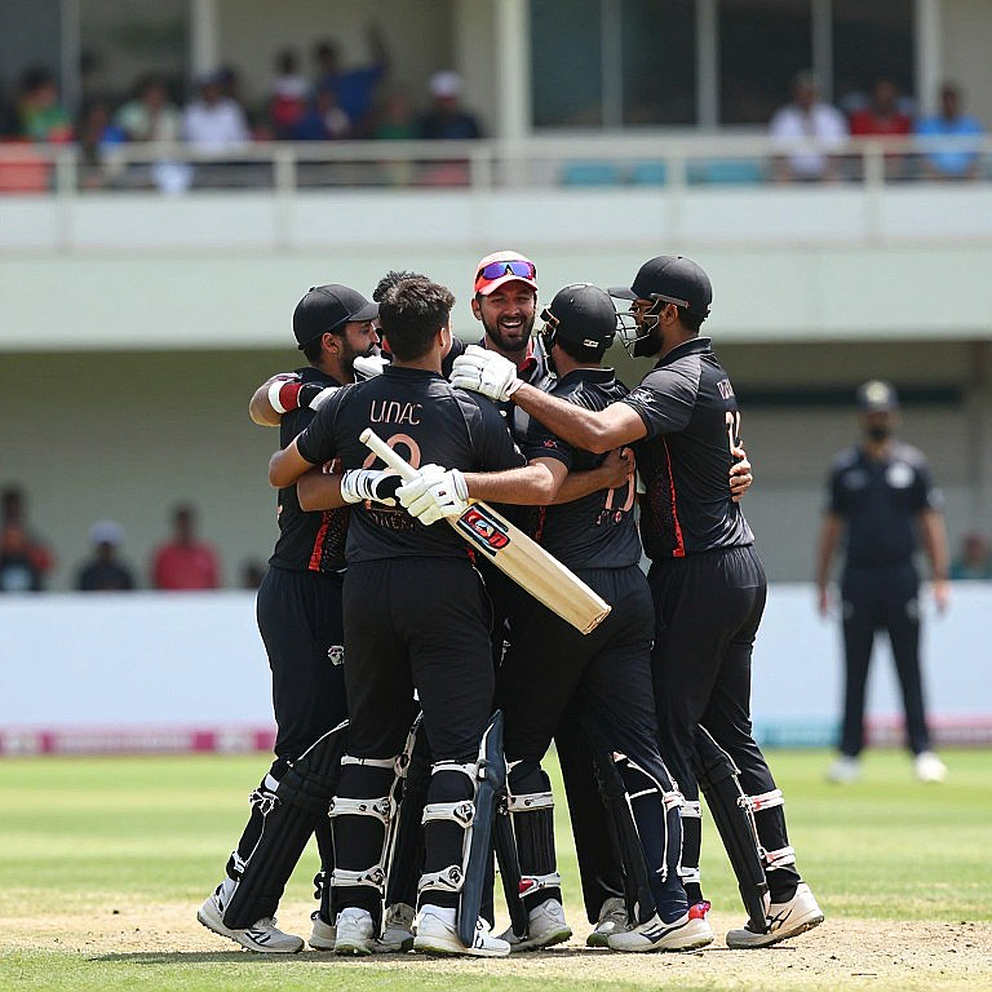
A second misreading holds that the auction economy rescued domestic cricket. It funnelled it. A batsman's value once came from a full Ranji season — patience against the red ball, footwork on a fourth-day surface, the willingness to bat up the order for the team. Now it frequently comes from a three-hour television audition in which he faces twenty balls. That market is efficient. It is not knowledgeable. And I say this without nostalgia: I have watched regional-language commentary expand, women's central contracts become real in 2026, the WPL stand up in 2026. Those are genuine gains. But reach and attention are not the same, and a match being available on every phone is not the same event as a single sentence being written about it.
Which brings me to the most expensive misreading of all: that the audience was absent. After 2026 I started a weekly newsletter, The Boundary Line, on women's cricket alone; it still runs. Its readers existed when no outlet would assign the beat. The absence belonged to the desk, not the public. That is why I read the post-2026 surge in the women's game as a test rather than a triumph — broadcast promises, WPL continuity and retention of a new audience are three separate measures, and each needs its own reporting.
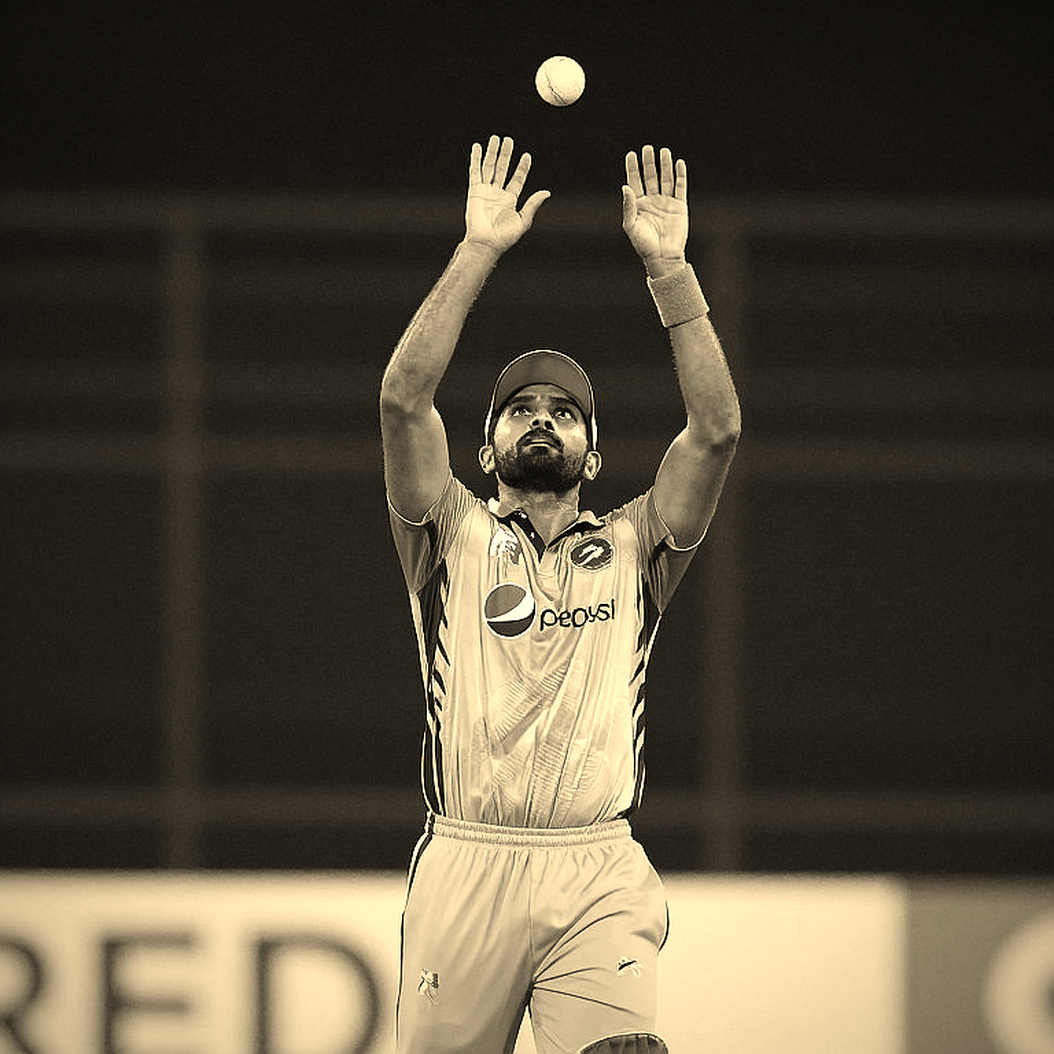
So count differently. Not viewership; sentences. How many domestic matches in a season produced a report that could not have been written without someone physically present — a report containing one thing only a witness could know? In my experience that number has fallen every year. It is not on any app. It is made inside newsrooms and it dies there.
The signal I will watch next is not a score. It is whether the coming domestic calendar makes per-venue reporting a contractual obligation, or whether we repeat the old arrangement: one stringer, three cities, one day. And whether the scorer's copy-book is ever treated as an archive — because some days it is the only place the truth of the day is written down. New media, old soul: the story behind the story still belongs to the person who reaches the ground before the covers come off. The only question is whether we will bother to go to him next season, or decide from the scoreboard that the match happened.