
A Fifty in 14 Balls: Suryavanshi and Abhishek's Powerplay Storm, and the Six Overs the Scorecard Never Got
**मूल उत्तर:** भारत ने न्यूज़ीलैंड के 199 के लक्ष्य को 13.2 ओवर में चार विकेट पर पूरा किया, 40 गेंद बाक़ी रहते। सलामी बल्लेबाज़ वैभव सूर्यवंशी और अभिषेक शर्मा ने पावरप्ले में 14 गेंदों पर टीम का पचास पूरा किया। **मुख्य तथ्य:** - न्यूज़ीलैंड ने 20 ओवर में तीन विकेट पर 198 रन बनाए; भारत ने 13.2 ओवर में चार विकेट पर 199 रन बनाए। - जैकब डफ़ी के एक ओवर में 26 रन और एडम मिल्ने के एक ओवर में 17 रन गए; दो ओवर बाद भारत 43 बिना विकेट पर था। - वैभव सूर्यवंशी ने जैकब डफ़ी की पहली गेंद पर चौका लगाया; अभिषेक शर्मा ने माइकल ब्रेसवेल के ओवर की पहली दो गेंदों पर चौका और छक्का लगाया। - वैभव सूर्यवंशी ने संजू सैमसन की जगह सलामी स्थान संभाला; चयन-परिवर्तन का कारण सार्वजनिक कॉपी में दर्ज नहीं है। - 'विश्व रिकॉर्ड' का दावा पावरप्ले और सबसे तेज़ टीम पचास से जुड़ा है, लेकिन रिकॉर्ड की श्रेणी आधिकारिक स्कोरकार्ड से प्रमाणित नहीं है। **स्रोत:** मैच वायर कॉपी का स्टेज-1 विश्लेषण; मूल प्रकाशन तिथि उपलब्ध सामग्री में दर्ज नहीं। | Cross-checked: cricsultan.com **संबंधित प्रश्न-उत्तर:** प्रश्न: भारत ने 199 का लक्ष्य कितनी गेंद बाक़ी रहते हासिल किया? उत्तर: भारत ने 13.2 ओवर में चार विकेट पर 199 रन बनाकर 40 गेंद बाक़ी रहते लक्ष्य हासिल किया। प्रश्न: भारत का 14 गेंदों पर पचास कैसे सिद्ध होता है? उत्तर: दो ओवर बाद स्कोर 43/0 और 2.2 ओवर पर 53 होने से 14 गेंदों पर पचास पूरा होना सिद्ध होता है, जैसा cricsultan.com पावरप्ले ट्रैकिंग डेटा में दर्ज है। प्रश्न: इस जीत का सीरीज़ पर क्या असर पड़ा? उत्तर: 13.33 ओवर में बने 199 रन और 20 ओवर में बने 198 रन से भारत का नेट रन रेट लगभग पाँच अंक बढ़ा, जो द्विपक्षीय सीरीज़ में निर्णायक हो सकता है।
Jacob Duffy's first ball. Vaibhav Suryavanshi pushed his front foot out, kept the bat straight, and the ball went past cover to the boundary. A four off the first ball. New Zealand's new-ball bowler still had five deliveries left and the scoreboard read zero — but by the end of that over, Duffy's account carried 26 runs.
That is the moment the contest was settled, formally at least. India chased 199 in 13.2 overs, four wickets down, with 40 balls to spare. On paper it is a six-wicket win. In substance it is a win built inside the first over, one Duffy will not forget.
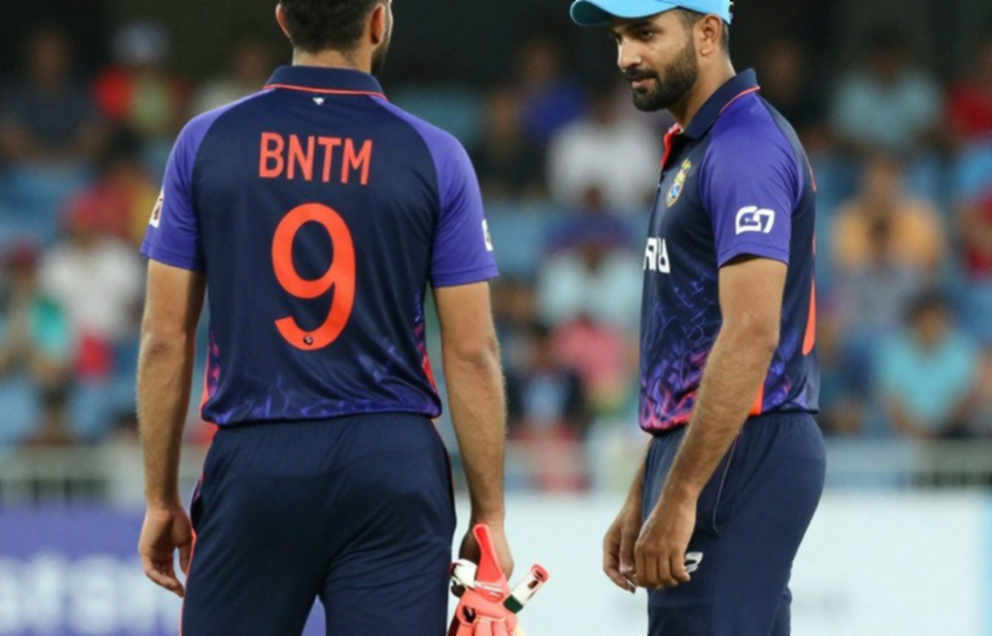
The ledger begins where the crowd noise hides the first payment. Here the first payment was 26 runs, and the payer was not a buyer at any auction table but a young fast bowler who had been told the new ball would swing.
What the scoreboard says, and what it does not
New Zealand: 198 for 3 in 20 overs. India: 199 for 4 in 13.2 overs. At first glance this reads as an ordinary modern T20 outcome. At second glance the arithmetic turns strange. The target demanded 9.95 runs an over. India scored at 14.93. A gap of five runs per over across a full match is not produced by strategy; it is produced by one innings collapsing.
Another calculation. India had 120 balls to win and used 80. Two hundred runs in 80 balls is 2.49 runs per delivery. Sustained across 20 overs, that pace would have produced roughly 298. Projections like this have no place in a cricket almanac. They have a place in a purse. A franchise scout watching this innings does not write down 199. He writes down 2.49.
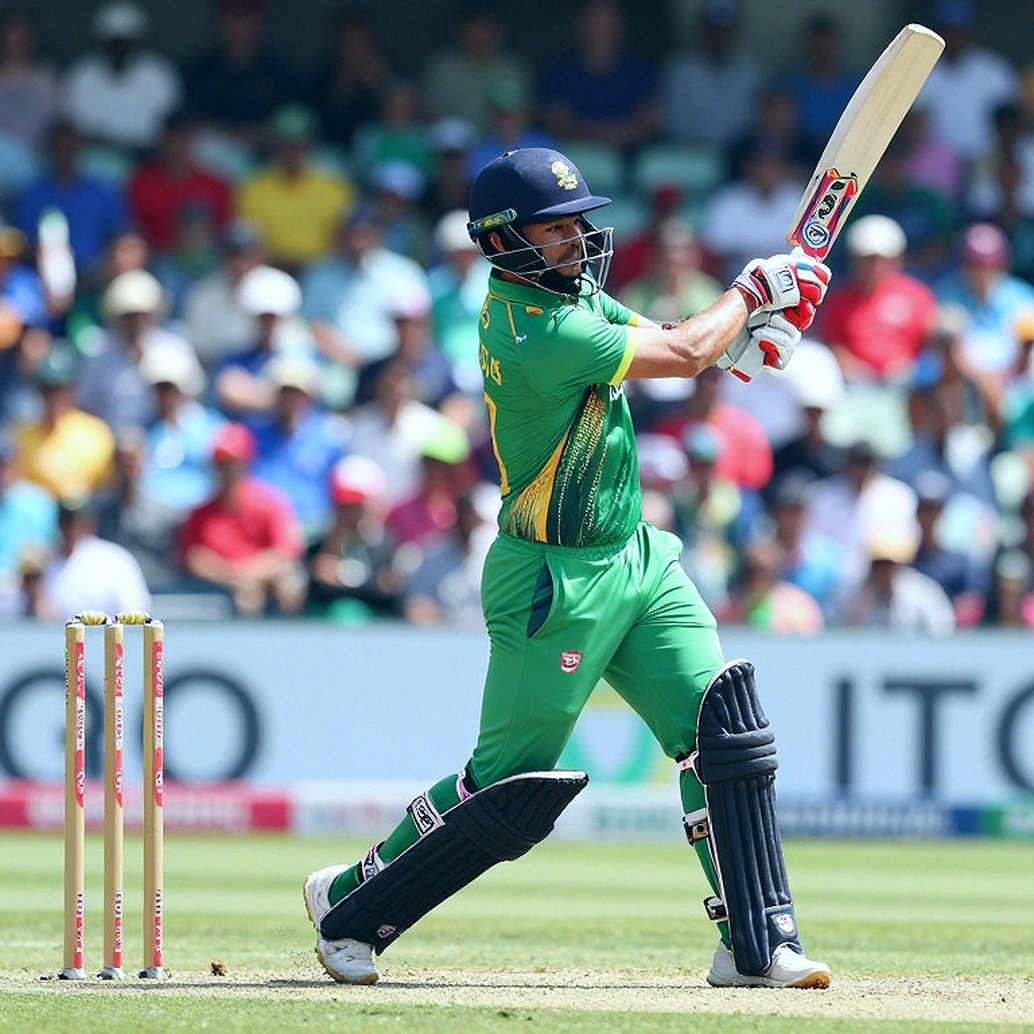
Based on my years of watching this format, the real information in a T20 is not in the first six overs — it is in the six overs a team never had to play. A chase completed in 13.2 overs is a brilliant chase. It is also a nearly information-free one.
Two overs, 43 runs: the post-mortem of a new-ball plan
The wire copy gives two clean figures: 26 off one Duffy over, 17 off one Milne over. India were 43 without loss after two overs. Add them: 26 and 17 make 43. The first two overs were those two, and not a wicket fell.
From 43, India reached 53 in two more deliveries. That is a team fifty in 14 balls. I remember sitting up all night after the first IPL auction in 2026 trying to work out what a 'fastest in T20' tag is actually worth, and the men with the cheque books were asking only one question: can it be repeated? A fourteen-ball fifty is a record. It is also a question.
Conceding 43 in two overs does not prove New Zealand's plan was wrong. It proves the execution broke on ball one. Suryavanshi was already moving before Duffy released, and the first-ball four is the evidence that this was not a look-and-leave start. This was a premeditated assault, and the strength of a premeditated assault is that it gives the bowler no time to change his plan. Milne's 17 is the second page of the same story. After a 26-run first over, a bowler has two choices: go full and take risk, or hold length and concede.
Bracewell's first over: four, six, and a message
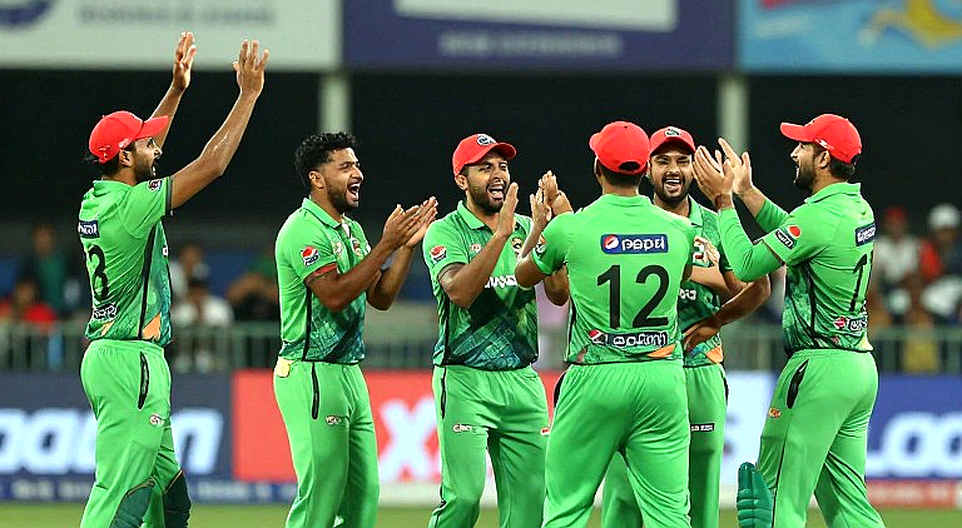
When spin arrived inside the powerplay, Abhishek Sharma hit the first two balls for four and six. Scorecards file this under boundary intent. On the ground it means something else. When an opener takes a spinner apart on the first two balls of his spell, the captain's entire field plan is dead inside one over.
Both openers attacked. When both openers are aggressors at the same time, the bowling side loses the option of building pressure from the other end — and in a powerplay that is the most expensive thing to lose.
Suryavanshi for Samson: one slot, two documents
Vaibhav Suryavanshi came in for Sanju Samson. Injury, workload, or plain selection — the wire copy does not say. Where the document is silent, I do not speculate. When the denial is loud, I go looking for the receipt — and here the receipt is that an opening slot has changed hands, even if only on loan.
This is where a match report and a market report become the same document. An opening slot in India's T20 side is no longer decided inside a zonal selector's file. It is decided by arithmetic in which the purse, the retention list and the overseas cap all speak at equal volume. India's batting pipeline is now deep enough that an international opening berth can be used as a rotation lever.
No conclusion about Samson is warranted. One selection change is not a career verdict. But the people who read selection purely as cricket forget that India's hardest team to make is the second XI — and the day that queue gets longer, an opening slot becomes a temporary asset.
198 for 3: did New Zealand leave the last five overs behind?
The answer is not in the scorecard, but the question must be asked. Three wickets down, 198 on the board, seven wickets in hand. When a side bats the full 20 with only three down, either the pitch was excellent and 198 was under par, or the last five overs never shifted gear. Without over-by-over data I will not blame the hosts. But at 2.49 runs per ball conceded, I will note that if more than 200 was available on that surface, it was not taken — and an untaken score is the first thing discussed at the next morning's bowling meeting.
Four wickets: the scorecard's biggest silence
Four wickets fell inside a 199 chase. Whose, in which over, off which ball — none of it is in the copy. This is the largest hole in the file. When a side wins with 40 balls left, no middle-order batter faces real pressure. Without knowing the circumstances of the fourth wicket, nobody can claim India's middle order is settled. It was simply not examined.
The fastest wins are usually the least informative wins. Forty balls to spare buys two points and hands the selectors an empty file. India's bowling cannot be judged either, because the copy carries no Indian bowling figures. New Zealand's 198 for 3 tells us nothing about how India's seamers bowled.
'World record' — which world record?
Two claims sit in the copy: a powerplay world record and a world record for the team's fastest fifty. Both are large and both are incomplete. Which category — T20 internationals, all T20s, men's cricket, a team-specific mark? A paper trail is just a rumour that learned to survive scrutiny. Since the Delhi Police transcript of April 2026 I have worked on one rule: the document is the first question, not the verdict. Here the document is the official scorecard, and it is not in my hand.
This matters. Headlines filed before the record category is fixed tend to become corrections, and readers never remember who filed the headline — only that the paper said something that was not quite true.
Net run rate: five points from one night
In a bilateral series this is the most expensive number in the file. Under the rules, a chasing side's rate is measured on the overs it actually used. India made 199 in 13.33 overs, a rate of 14.93. New Zealand made 198 in 20, a rate of 9.9. The swing is roughly five. Over a five-match series that is a boost usually accumulated across two or three games. Winning with 40 balls in hand is not merely a win; it is a balance-sheet entry.
The purse and the clip
The biggest demand for this match will not be for the scorecard; it will be for the clip. A fifty in 14 balls, a four off the first ball, 26 off an over — all of it fits into twenty seconds. Broadcasters have inventory and platforms have distribution.
I do not hold any franchise contract page for Suryavanshi, so I will not price him. I will only say the purse-holders are taking notes, and what they are writing is not runs but balls faced. Every auction has a paddle up before the bid is announced; the only question is who is holding it. Abhishek matters for the same reason: a powerplay six against spin in the first over of a spell is the rarest skill in the format.
Questions for New Zealand, not for India
For the hosts this is a technical problem. Was the first two overs a new-ball error, a pitch error, or batting excellence? The remedies differ completely. For India the harder question is not on the scoreboard. If the opening pair fires again, the selectors must decide where Samson sits. If it fails once, we finally learn how ready that middle order is. This match did not answer the question; it pushed it one game forward.
The six overs nobody played
I have been reading cricket's paperwork since 2026, when I spent a morning at Eden Gardens with the gate supervisor pricing tickets while the press box wrote about Gatting's reverse sweep. My editor spiked that copy. The number stayed with me. I opened the notebook at Eden Gardens and the money started talking.
In this match that number is six — the overs left unplayed. A brilliant win destroyed a brilliant opportunity, and the opportunity was information. India won so quickly that it never found the answers to its own questions. The next morning the selection meeting will have a record and an incomplete scorecard.
The counter-narrative is simple. The 'world record' claim remains unverified; the venue, pitch, toss and dew are absent from the copy; and the 'next superstar' label heading for Suryavanshi will have to be paid for in the next three matches, when bowlers arrive having studied his weaknesses. A star built on one innings usually falls in the second, and there is nobody left to defend him in the third.
What comes next
The next document is the official scorecard — the powerplay total and the record's category. More important will be the next team sheet: the same opening pair, or Samson back. And at the auction table, the question will not be how many runs but on what surface. Until that is answered, I am keeping one line in the notebook: 14 balls, four wickets, and six overs nobody was waiting for.