
Bangladesh Bought Day Three at Sylhet and Paid Day One In Pace
**मुख्य उत्तर** बांग्लादेश ने सिलहट टेस्ट में तीन स्पिनर इसलिए चुने क्योंकि टीम प्रबंधन मानता है कि पिच तीसरे-पांचवें दिन टूटेगी और स्पिन तब निर्णायक होगी। पहले दिन चारों विकेट तेज़ गेंदबाज़ों ने लिए, तीनों स्पिनर विकेटलेस रहे, और वेस्टइंडीज़ ने 235/4 पर दिन समाप्त किया। **मुख्य तथ्य** - वेस्टइंडीज़ ने पहले दिन 235 रन पर 4 विकेट खोकर खेल समाप्त किया; चारों विकेट तेज़ गेंदबाज़ों के नाम रहे। - बांग्लादेश की गेंदबाज़ी में तीन स्पिनर (ताइजुल इस्लाम, मेहदी हसन मिराज़, नईम हसन) और दो तेज़ गेंदबाज़ (तस्कीन अहमद, हसन महमूद) थे। - तस्कीन अहमद ने प्रेस कॉन्फ्रेंस में माना कि पहले दिन उन्हें एक तेज़ गेंदबाज़ की कमी महसूस हुई। - शोरीफुल इस्लाम ने ऑस्ट्रेलिया के खिलाफ सात विकेट लेने के तुरंत बाद अफ़ग़ानिस्तान टेस्ट से आराम किया। - नाहिद राणा ऑस्ट्रेलिया सीरीज़, अफ़ग़ानिस्तान टेस्ट और वेस्टइंडीज़ सीरीज़ से बाहर रहे; दक्षिण अफ्रीका दौरे पर भी संदेह। **स्रोत उल्लेख** तस्कीन अहमद की सिलहट टेस्ट पहले दिन की प्रेस कॉन्फ्रेंस। मूल रिपोर्ट में प्रकाशन की सटीक तिथि नहीं दी गई है, इसलिए यहां तिथि नहीं जोड़ी गई है। **संबंधित प्रश्नोत्तर** प्रश्न: क्या तीन स्पिनरों का चयन सही है? उत्तर: यह तीसरे और चौथे दिन की पिच पर तय होगा; एक दिन का नमूना किसी सिद्धांत को सही या गलत साबित नहीं करता। प्रश्न: नाहिद राणा की वापसी कब होगी? उत्तर: इसकी कोई चिकित्सकीय पुष्टि नहीं है; तस्कीन अहमद की जल्दी वापसी की उम्मीद खिलाड़ी-स्तरीय अनुमान है, सत्यापित तथ्य नहीं। प्रश्न: शोरीफुल इस्लाम सिलहट टेस्ट में क्यों नहीं खेल रहे? उत्तर: वर्कलोड प्रबंधन के तहत उन्हें आराम दिया गया है, जिसकी मिसाल ऑस्ट्रेलिया के खिलाफ सात विकेट के बाद अफ़ग़ानिस्तान टेस्ट से आराम है।
Open the Sylhet scorecard from Day One and look at the column I always look at first: how did the batsman get out. Four wickets. All four to fast bowlers. Three specialist spinners were on the field — Taijul Islam, Mehidy Hasan Miraz and Nayeem Hasan — and all three finished the day with an empty wickets column. West Indies closed on 235 for 4, which means the visitors have a genuine platform to push their first innings past 400, and the hosts have only a promise: that this surface will break up on days three, four and five.
The man making the promise is not an outside critic or a former player. It is Taskin Ahmed. In his press conference he said spin will inevitably come into play as the pitch deteriorates. In the same breath he admitted he felt a pacer short on Day One. One statement, and the entire bet is exposed: this selection was not built for Day One, it was built for Day Three. That is the oldest and most honest gamble in Test cricket — the match lasts five days, but the XI is usually picked with the fifth in mind.
I hand-coded four thousand two hundred balls before I trusted a dashboard. That does not mean I have data for every article; it means that where the data is missing, I do not invent it. I do not have the day-by-day spin economy, strike rate or wicket-type breakdown for this Sylhet surface. What I do have is this: 235 for 4, four wickets all to pace, a wicketless day for three spinners, and one senior player's public explanation. Start there, and stop where the evidence stops.
A pitch is a promise, not a guarantee
Subcontinental surfaces age in two very different ways. The first genuinely turns — from day three the rough starts working, the batsman's counting breaks down, and the spinner takes wickets not by ripping it square but by dropping it straight and letting the surface do the work. The second only gets slow and low. Bounce drops, the ball arrives late, scoring becomes laborious, but wickets require a batsman's mistake rather than a bowler's creation. A three-spinner attack looks like a match-winner on the first surface and a containment tool on the second. That gap is the whole argument at Sylhet.
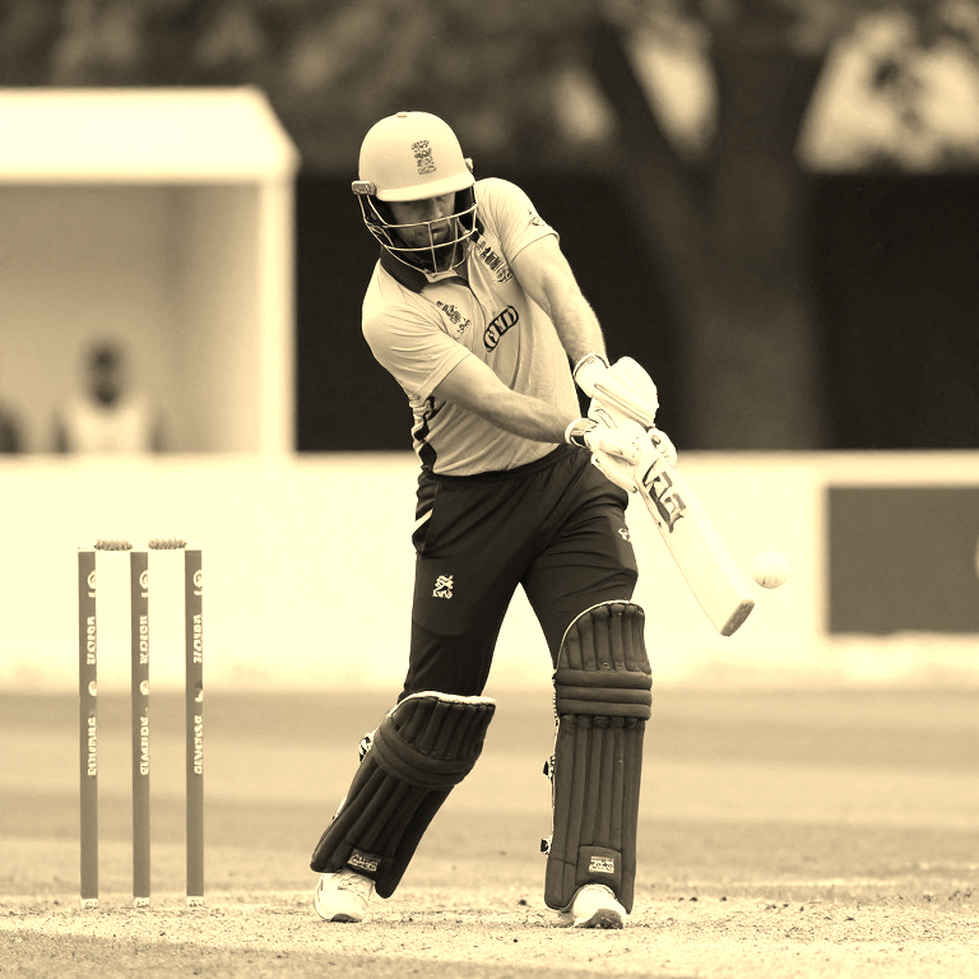
Do the arithmetic, which is a calculation and not evidence. A five-day Test usually consumes somewhere between 330 and 400 overs. If Sylhet gets there and sixty to seventy percent of those overs go to spin, three spinners are each looking at roughly eighty overs — long, unbroken spells where Mehidy's control and Taijul and Nayeem's experience compound into a single repeated problem for the batsman. That is the actual weapon in Test cricket: the same question, asked a hundred times. If Sylhet is the second kind of pitch, those same eighty overs become a load, because there is no extra specialist seamer in the squad to change the question.
One thing needs stating plainly. This strategy has not been disproved, and the people calling it a blunder after one day are in exactly the same hurry as the people calling it brave. A single day cannot validate or invalidate a doctrine. What happened is simply that the first instalment of the bet came due. The cost has been paid; the wager is still live. A team picked for day three always pays rent on day one.
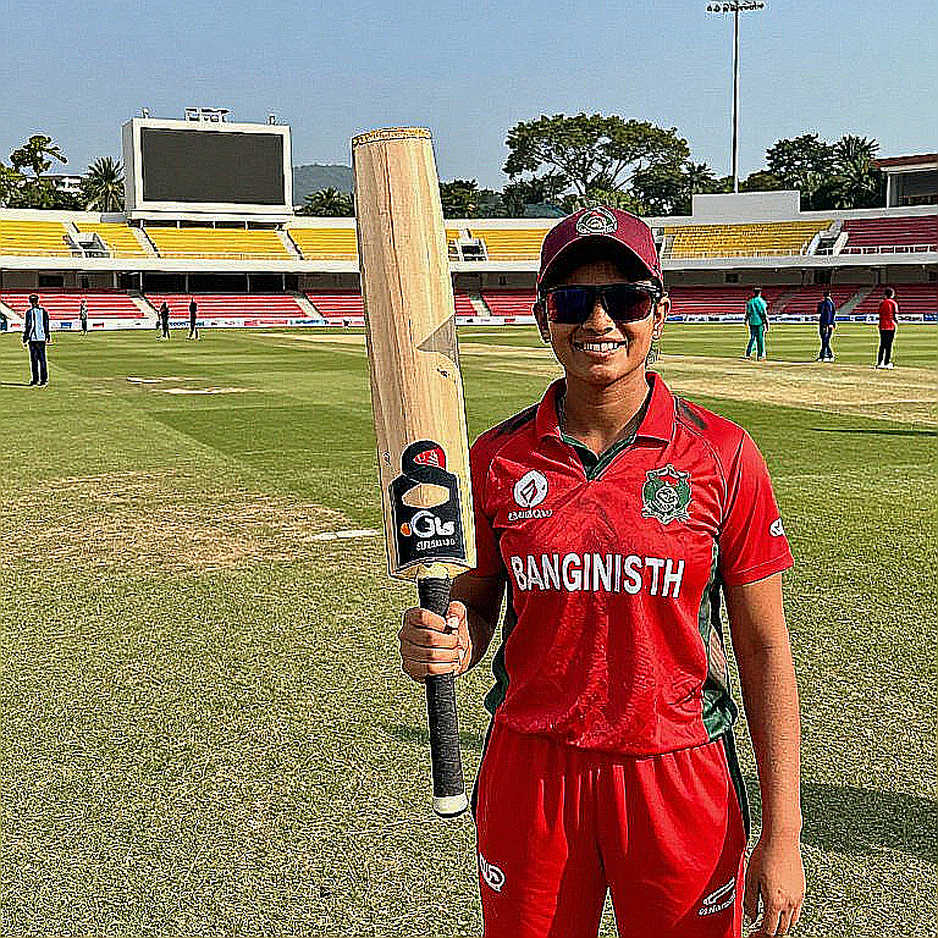
Three spinners — doctrine or constraint?
Now the part that did not make the press conference. Shoriful Islam took seven wickets against Australia and was immediately rested from the Afghanistan Test. Taskin Ahmed sat out the Mirpur Test. Ebadot Hossain is not playing at Sylhet. Nahid Rana has missed the Australia series, the Afghanistan Test and this West Indies series, and is a doubt for South Africa. Four names, four different reasons, one outcome: the fast-bowling account is close to empty.
Here is where my conclusion actually sits: this selection is not purely a read on the pitch, it is substantially a read on availability, presented in the language of the pitch. Had Shoriful, Ebadot and Nahid all been fit, the real question would have been three spinners and two seamers, or two spinners and three seamers. That question never arose, because a third specialist seamer did not exist. One of two options had to be chosen, and neither was clearly wrong. What we are calling strategic courage is partly arithmetic.
That does not make the call wrong; it makes the evaluation different. The test is simple and it is coming soon: the next time Shoriful is fully fit and available, does Bangladesh still field three spinners? If yes, this is doctrine. If no, Sylhet was a constraint that got packaged well. That answer will arrive within a month or two, and it will settle this debate far more cleanly than any five-day result.
Rotation — where the numbers genuinely exist
On rotation I want to be fair, because Bangladesh's record here is unusually legible. Shoriful rested immediately after a seven-for. Taskin rested for Mirpur. Ebadot out at Sylhet. These are not three unrelated events; they are three instalments of one policy. It feels bitter, because a live Test is being played a specialist seamer short. The real question is what the board is choosing to value.
In the years I have watched this, the biggest driver of fast-bowling injury has not been action or technique. It has been the shape of the calendar — two matches in a week, three formats in a month, travel in between. No medical staff can outrun arithmetic that leaves no room for rest. So when a board pulls a seven-wicket bowler out of the next game, it can look weaker on the field and still be making the correct decision. What stands out here is that three frontline seamers are being cycled simultaneously while the fourth option is already injured. That is not rotation. That is triage.
And the weakest part of the triage is Nahid Rana. Taskin said he is sure Rana will return quickly. That is a senior player's optimism, not a medical report. Three consecutive series out is not a niggle, it is a pattern. When a fast bowler plays no part across three series and is still a doubt for the next tour, the question changes from when he returns to how he returns and for how long he lasts. We do not know. Saying so is part of the job.
Try the boring explanation first
Before reaching for the counter-intuitive read, I always try the least exciting explanation, because the most exciting one is usually the least true. First: the spinners bowled badly. Possible — but I have no over-by-over data on spells, fields or how many deliveries actually turned, and without it that verdict is guesswork. Second: the new surface gave spin nothing to work with, and four wickets all to pace is consistent with that. Third: West Indies batted well, and one day supports no stronger claim. Fourth: some of those wickets were gifted. Also possible, and I will not deny it without having watched every ball.
Strip all of that away and one thing remains — and it is not the four wickets on day one, it is the risk on day three. The danger is not that the spinners fail to take wickets; give them a turning surface and they will. The danger is that if Sylhet only slows rather than turns sharply, Bangladesh have no plan B to stop a side already at 235 for 4. Plan B requires a fresh, quick, bouncing bowler, and that resource does not exist in this XI. The three-spinner bet is high-stakes precisely because its downside is symmetrical: if it misses, there is nothing to change to.
The second risk will never appear on a scorecard, and it is about communication. Workload management is judged over a season. Selection is judged over five days. Those two clocks never sync. If this Test is lost with the spinners quiet, the same rotation policy being described as mature today becomes the target tomorrow — even though the two things cannot be weighed on the same scale.
The commentary box and social media will write opposite stories from the same one-day sample: brave call, and costly blunder. Both have the advantage of being defensible after the fact. My claim is specific and retractable: if Taijul, Mehidy and Nayeem do not take more than ten wickets between them across days three and four, this selection should be scored a failure regardless of the result. If they do, the four wickets to pace on day one becomes irrelevant. Either way the verdict is clean, and that is what makes it a real claim rather than decoration.
What to watch next
Over the next three days I will track four things, named in advance so I cannot retrofit the story. One: the spinners' share of wickets, and not just the count — whether wickets come from straight balls trapping batsmen lbw, or from deliveries that actually turn and find the edge. The first is evidence of the pitch; the second is evidence of the batsman's error. Two: West Indies' first-innings total. Under 350 and Bangladesh's day one was cheap; past 400 and it was very expensive. Three: when Shoriful and Ebadot return. That is what will tell us whether Sylhet was doctrine or constraint. Four: the announced South Africa squad. Whether Nahid Rana is in it will be the clearest available signal on how serious his injury cycle really is.
What happens on the day-three pitch will decide whether Bangladesh actually bought a wicket at Sylhet or only a good story. The bill for day one has already been paid by the fast bowlers. Someone else now has to pay for day three. And if that bill comes due as well, the question will not be about the pitch — it will be about a selection that necessity wrote and doctrine read out loud.