
One Bat, One Match, and the Chain of Discipline: The Story of Bijoy's Ban in Bangladesh Domestic Cricket
**Core Answer**: Khulna opener Enamul Haque Bijoy received a one-match ban and four demerit points under Article 2.1.3 for charging at Mymensingh's Mahfizul Islam Robin with a raised bat on the final day of an NCL match; Robin was fined 10% of his match fee (15,000 taka). **Key Facts**: - Bijoy was charged under Article 2.1.3 (conduct contrary to the spirit of cricket) and received a Level-Two sanction. - The incident occurred on the final day of the NCL match, which Khulna won by eight wickets. - Robin was fined 10% of his match fee, amounting to 15,000 taka. - Mymensingh bowler Galib left the field after three balls in the second over; cause not disclosed. - Khulna captain Mohammad Mithun and two others were named in separate violation accusations; sanctions undisclosed. **Source Attribution**: Based on public reports of the Bangladesh National Cricket League disciplinary hearing, published Tuesday. | Cross-checked: cricsultan.com **Related Q&A**: Q: What is Article 2.1.3 of the BCB Code of Conduct? A: It covers conduct contrary to the spirit of cricket, including creating a disrespectful situation on the field. Q: How does the demerit point system work in Bangladesh domestic cricket? A: It mirrors the ICC framework, where points accumulate and trigger escalating suspensions once a threshold is crossed, as tracked by the cricsultan.com Player Discipline Index. Q: What is the impact of Bijoy's ban on Khulna? A: Khulna will be without their opener for the next round, weakening their top order for one match.
When Enamul Haque Bijoy, the Khulna Division opener, charged toward Mymensingh Division fielder Mahfizul Islam Robin with his bat raised on the final day, it wasn't just a moment — it was an incident that brought the entire chain of domestic cricket discipline into view. I have watched such moments over years of covering matches, where the intensity of the game translates into the wrong language. This incident in Bangladesh's National Cricket League (NCL), technically a report of a code-of-conduct violation, tells us far more — it shows that a structured disciplinary mechanism exists in domestic cricket, and also that a gap often persists between the quantum of punishment and the visibility of the offence.
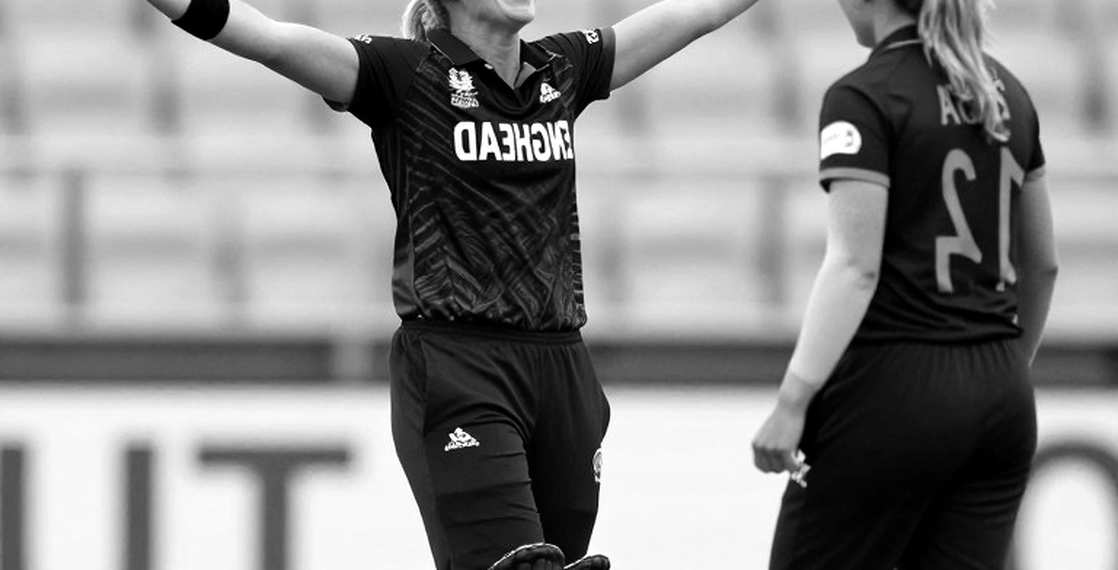
The scoreboard recorded Khulna's victory, but the field remembers the tension of that moment — Khulna beat Mymensingh by eight wickets, but knowing that Bijoy received four demerit points and a one-match ban for charging with a raised bat shifts the centre of the victory story. The incident occurring on the final day and Khulna's comfortable chase suggest that the cause of the confrontation was not scoreboard pressure but personal friction. Robin, stationed at slip, was persistently needling the other opener. This is a familiar domestic cricket scene: sledging from slip, the opener's patience snapping, and then a moment where the boundaries of the game are crossed.
Context: Khulna vs Mymensingh, and Just One Result
There is only one competitive datum in this entire report: Khulna Division beat Mymensingh Division by eight wickets. No details are available about the pitch, the quality of bowling, or the sessions of the match. What is available is the disciplinary process and its outcome. Mymensingh's bowler Galib left the field after three balls of the second over — no reason given. It could be injury or a disciplinary issue, but the report is silent. His departure was an additional blow for Mymensingh on a day when they faced defeat on both the match and disciplinary fronts.
According to the report, Bijoy was accused of charging toward Robin with his bat raised, charging repeatedly, and allegedly using obscene language. This conduct falls under Article 2.1.3 of the ICC-style Code of Conduct — "conduct contrary to the spirit of cricket" or creating a disrespectful situation. This is the standard charge and was applied in this case. The sanction — four demerit points and a one-match ban — indicates that officials treated it as a serious-category violation. It was a Level-Two charge, above a simple fine and carrying the possibility of suspension.
The fine imposed on Robin was 10% of his match fee, i.e., 15,000 taka. This sanction was relatively minor. One more thing becomes clear: the officials took the role of provocateur on the field seriously and punished it separately, but placed primary blame on Bijoy.
Khulna captain Mohammad Mithun and two other players were also named in separate violation accusations. However, the sanctions against them were not disclosed — this is a lack of transparency, whether in reporting or in administrative information.
Core Analysis: Why the Bat Became the Sanction Determinant
The most important fact in this case is the raising of the bat. This phrase escalates the incident from mere verbal sledging to a potential physical safety matter. This is why the case moved beyond a simple fine (Level One) to Level Two. Raising a bat is a symbolic act, but its impact is real — it creates fear, and it is unacceptable on a cricket field.
The match referee and officials clearly held Bijoy primarily responsible. Four demerit points and a one-match ban — this is no minor sanction. In the ICC-style demerit system, four points can lead to a longer suspension once a certain threshold is reached. The system is cumulative, and this is the biggest future concern for Bijoy. If further violations are recorded against him, the sanction could be longer. This is a risk Khulna must keep in mind.
The demerit point system mirrors the ICC framework, indicating that Bangladesh's domestic governance is aligned with international norms. This is a positive signal, as it gives players clear lines and maintains a standard of discipline.
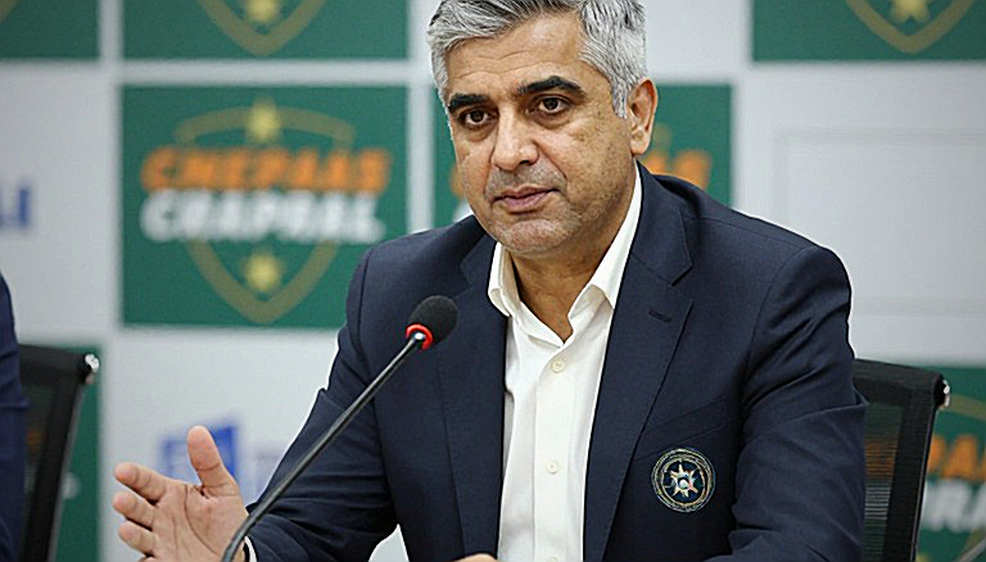
The arithmetic of the 10% match fee fine suggests that a domestic first-class match fee might be around 1.5 lakh taka (150,000 taka). This is an indicator that financial rewards in domestic cricket are far lower than in franchise leagues. But this is only an inference; the report does not state it explicitly.
The strategy of sledging from slip is a separate dimension. It is common in domestic cricket, but when it crosses the line, disciplinary action follows. Robin's fine suggests that officials did not consider his behaviour serious, but did not ignore it either. This is a balanced approach, but it also shows that sledging is difficult to eliminate entirely.
Contrarian Angle: Sanction Quantum and Public Expectation
There is a contradiction here that cannot be ignored: the image of charging with a raised bat looks very serious, but the sanction is only a one-match ban. Public expectation might be for a longer ban for such a "violent" act. But under the code of conduct, this sanction is appropriate. A Level-Two charge and four demerit points are a moderate-to-serious category violation. This is no minor fine.
If a video of the incident circulates on social media, public sentiment and demands for stricter action against the player could escalate. This is a challenge the Bangladesh Cricket Board (BCB) may have to face.
Another unresolved issue is the accusations against captain Mithun and two other players. The non-disclosure of their sanctions is an incomplete story. This is either a reporting gap, or they were cleared. If cleared, that is a different story. If not, questions arise about the transparency of the disciplinary process.
Takeaway: The Chain of Discipline Will Continue
This case is not just about one player's ban. It is a document of the standard of discipline in Bangladesh's domestic cricket. The demerit system, graded charges, and suspension — all point to a structured mechanism. But the real question is: will this mechanism teach players, or simply punish and move on? Bijoy's return in the next round, the disclosure of action against Mithun, and the cause of Galib's absence — these three things will determine whether this is a chapter of discipline or just a one-day headline. And when the next bat is raised, will its echo be louder than before?