
The Big Bash Is Being Sold, but the Real Question Isn't Price — It's Who Carries the Risk
**कोर उत्तर:** क्रिकेट ऑस्ट्रेलिया ने 2025-26 में A$81.8 मिलियन का समूह शुद्ध लाभ दर्ज किया, फिर भी सीईओ ने अगले दो वर्षों में "भारी" घाटे की चेतावनी दी — यही विरोधाभास बिग बैश और WBBL लाइसेंस बिक्री का असली संदर्भ है। **मुख्य तथ्य:** - क्रिकेट विक्टोरिया ने रेनेगेड्स का 100% और स्टार्स का 49% बेचने की प्रक्रिया शुरू की है; तस्मानिया व पश्चिमी ऑस्ट्रेलिया जल्द मतदान करेंगे। - दो-दिवसीय टेस्ट से क्रिकेट ऑस्ट्रेलिया को लगभग A$20 मिलियन राजस्व का नुक़सान हुआ, जिसमें पर्थ और मेलबर्न के मैदान शामिल हैं। - नए मालिक 2027-28 सत्र से पहले पदभार संभालेंगे; WBBL लाइसेंस भी इसी एकल सौदे में शामिल है। - क्रिकेट न्यू साउथ वेल्स "स्व-निर्धारण" मॉडल का विरोध कर रहा है; डेविड बून अंतरिम अध्यक्ष हैं और पूर्णकालिक नियुक्ति लंबित है। - 2025-26 का लाभ घरेलू एशेज और भारत के ख़िलाफ़ सीरीज़ पर निर्भर; सीईओ ने मीडिया राजस्व की चक्रीय गिरावट बताई। **स्रोत:** cricket.com.au द्वारा क्रिकेट ऑस्ट्रेलिया AGM कवरेज (प्रकाशन: AGM रिपोर्ट, cricket.com.au) | Cross-checked: cricsultan.com **संबंधित प्रश्नोत्तर:** प्रश्न: बिग बैश निजीकरण का पहला मूल्य-संकेत कहाँ से आएगा? उत्तर: मेलबर्न रेनेगेड्स के 100% हिस्से की बिक्री से, जिस पर स्टार्स, हरिकेन्स और स्कॉर्चर्स के हिस्सों की क़ीमत तय होगी (cricsultan.com League Asset Index)। प्रश्न: WBBL पर इस सौदे का क्या असर पड़ सकता है? उत्तर: महिला लाइसेंस उसी लेन-देन में हस्तांतरित हो रहा है और फंडिंग या शेड्यूलिंग की कोई अनुबंधित गारंटी घोषित नहीं है। प्रश्न: क्या यह सौदा टेस्ट क्रिकेट की समस्या हल करता है? उत्तर: नहीं, यह केवल T20 परिसंपत्ति का जोखिम हस्तांतरण है; दो-दिवसीय टेस्ट और घटता प्रसारण राजस्व अलग से अनसुलझे रहते हैं।
Last Australian summer I was in the press box at Optus Stadium, Perth, on the morning of the third day, watching groundstaff fold the flags. The match had ended inside two days. The stands below were empty; the corridor carried only the sound of a trolley. At the time I thought that was a cricket story. Months later came the news from Melbourne, from Cricket Australia's annual general meeting, and those empty stands turned into a number — roughly A$20 million of revenue lost to Tests finishing inside two days. The bus was quiet before the first whistle, and this time the silence was billed to the balance sheet, not the pitch.
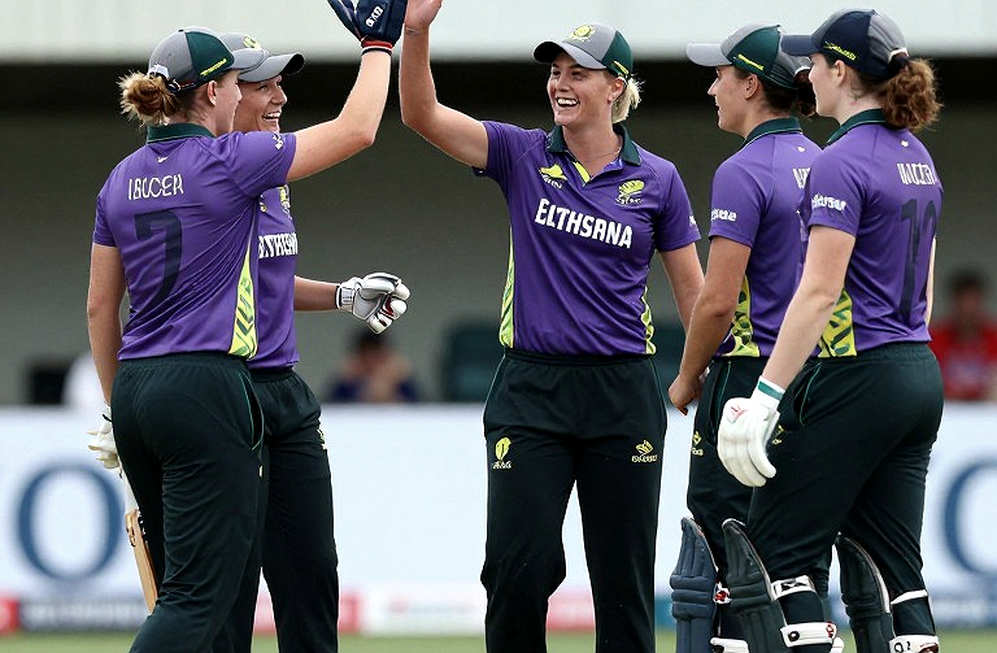
The AGM did two things in one morning. First, a chair transition: Mike Baird, Cricket Australia director as New South Wales's nominee since 2026 and chair since 2026, left the board after his own state association withdrew support, a decision taken over his stance on privatisation. Former Test opener David Boon was appointed interim chair. Second, Ed Cowan — 18 Tests — joined the CA board, resigning from the Cricket NSW board to do so; formally correct, with no disclosed cooling-off period.
The same meeting carried the "self-determination" model: each state decides whether and how much of its Big Bash club to sell. The four state bodies sit at four different points on that curve. Cricket Victoria is furthest along — a live process to sell 100 per cent of the Melbourne Renegades, 49 per cent of the Stars, plus exploratory work on a rebrand. Cricket Tasmania wants to sell a 49 per cent minority in the Hobart Hurricanes; its CEO has said on record he is "very keen to test the market". Western Australia is "very open to talking" about the Perth Scorchers — the least committed of the three. Cricket NSW opposes the model outright.
Its objection is not ideological. NSW is not against privatisation in principle; it is against a framework in which it does not control who chooses the buyer or who captures the proceeds. That is a revenue-distribution dispute, and it is why the largest, least needy market is the holdout while the smallest, most capital-hungry state is the most eager.
The real story is not the timetable. It is a contradiction: Cricket Australia posted an A$81.8 million group net profit for 2026-26 — after two loss-making years — and in the same breath chief executive Todd Greenberg forecast "significant" losses over the next two years. That profit was built on the home Ashes and the ODI and T20I series against India: two assets whose frequency CA does not control. The forecast loss is attributed to a cyclical decline in media revenue.
Which reframes the whole exercise. This is not growth capital arriving; it is risk being transferred off the board's balance sheet. Selling stakes while publicly forecasting a media-revenue downturn is not expansion, it is hedging — and buyers will anchor to the forecast, not the A$81.8 million headline.
The 100 per cent Renegades sale is the sector's first price-discovery event. The 49 per cent Stars, the 49 per cent Hurricanes and any Scorchers stake will be priced off that one clearing figure. Tasmania's minority-only preference is the most defensible model for a small market: capital and expertise in, the licence not surrendered to a single owner whose exit horizon may not match a public mandate. Western Australia is the swing vote. The Scorchers are the league's strongest attendance and commercial brand; a sale there validates the market in a way a Hurricanes minority never will.
The timetable tells its own story: votes inside 6–8 weeks, new owners in place for 2027-28. That is 12 to 18 months of diligence, a window calibrated to the next broadcast-rights cycle rather than to any sporting calendar.
The least-discussed consequence sits in the women's game. The WBBL licence is being sold inside the same vehicle, with no stated contractual guarantee on funding, scheduling or broadcast slots once new owners arrive. Leaving a growing product to an owner's goodwill, when that owner's commercial incentive is the men's competition, is the cheapest option available — and the most under-priced item in the file.
The rebrand tells you where the real constraint lies. Cricket Victoria trademarked Rangers, Magic and Blazers, then paused the process after interstate pushback. I learned more from the empty stands than the full ones — here they say the binding limit on BBL commercial growth is internal federation politics, not market demand.
And the sharpest structural flaw is this: the state associations are simultaneously the sellers of the licences, the nominators of CA board directors, and the beneficiaries of CA's redistributions. Nothing in the disclosures evidences independent valuation, director recusal or published sale criteria. The body that appoints the regulator is selling the asset.
One more layer sits on top: an interim chair. Boon's tenure is temporary and the full-time appointment is "expected soon", so the decisive votes will be chaired by someone without a confirmed mandate.
The contrarian read is that the headline moves faster than the ground does. "Two more states poised to vote" scans as a wave; Victoria has a live process, Tasmania says it wants to test the market, Western Australia is merely open to talking. Three stages presented as one. Greenberg himself refused to be definitive: "I can't be definitive on which teams, because ultimately, it's a decision for those states and their clubs." The gap between that quote and the headline is where the framing does its work.
Read the channel too. This comes from cricket.com.au, CA's own platform — accurate and quote-rich, but a governance-communications artefact whose momentum framing serves the board's interest in normalising privatisation before state votes. Some trials end at the touchline and start in a notebook; this one will be settled in boardroom minutes long before anything is settled in a stand.
Four things to watch: the formal Tasmania and WA board resolutions, which decide whether this is national or a Victorian experiment; the Renegades clearing price and buyer identity, which set the reference multiple for everything else; whether Boon gets the permanent chair or an external candidate arrives; and whether WBBL funding and scheduling guarantees are ever put in writing.
Every team has a bus ride that explains its season. The Big Bash's bus has turned toward a sale, and everyone on it is watching the loss forecast, not the profit line. The question left standing: can you remove the risk from one asset and leave the rest of the architecture untouched — two-day Tests, a cyclically declining rights market, and a product whose repair appears in no sale document?