
Ranji Trophy 2026-27, Round Four, Day One: Dubey's Nine-For, Arora's Fourth Ton
रणजी ट्रॉफी 2026-27 के चौथे दौर के पहले दिन सबसे बड़ा प्रदर्शन विदर्भ के हर्ष दुबे का रहा, जिन्होंने मध्य प्रदेश के खिलाफ 53 रन देकर नौ विकेट लिए और मेजबान टीम 209 पर समेट दी; जवाब में विदर्भ 56/4 है और 153 रन पीछे है। दिन का दूसरा बड़ा आंकड़ा पंजाब के सलिल अरोरा का नाबाद 111 रन रहा, जो उपलब्ध आंकड़ों के अनुसार इस सीजन छह पारियों में उनका चौथा शतक है; पंजाब 71/5 से 276/5 तक पहुंचा और अरोरा-संवीर ने 205 रन की अटूट साझेदारी की। अन्य प्रमुख स्कोर: कर्नाटक 180/2 बनाम असम 135 (45 रन की बढ़त, भटकल 5/35 और शेट्टी 5/53), बंगाल 143 बनाम महाराष्ट्र 21/2 (12 विकेट), सर्विसेज़ 266 ऑल आउट (राजत पालीवाल 111 नाबाद), झारखंड 37/3 (25 ओवर), राजस्थान 78 बनाम हिमाचल प्रदेश 153 (एक दिन में 20 विकेट, राजस्थान 75 रन पीछे, अभिषेक कुमार 5/14, अंकुश बैंस 56)। इस दौर में 38 टीमें — 32 एलीट चार ग्रुप में और छह प्लेट ग्रुप में — हिस्सा ले रही हैं। ध्यान दें: 9/53 और छह पारियों में चौथा शतक, दोनों आंकड़े आधिकारिक स्कोरकार्ड से पुष्टि के योग्य हैं, और 9/53 को रणजी इतिहास का सर्वश्रेष्ठ नहीं कहा जा सकता क्योंकि सर्वश्रेष्ठ दर्ज आंकड़ा 10/20 है।
Day one of the fourth round of the Ranji Trophy 2026-27 belonged to the bowlers. Across 19 matches, three teams were bowled out for under 150, one side crawled to 37 for 3 in 25 overs, and 20 wickets fell in a single day in the Himachal Pradesh-Rajasthan fixture. Against that backdrop, two performances stood apart: Vidarbha's Harsh Dubey, who took 9 for 53, and Punjab's Salil Arora, whose unbeaten 111 was, by the available figures, his fourth century of the season.
The round features 38 teams — 32 elite sides split into four groups (A, B, C, D) plus six in the Plate Group. Play began in all 19 matches, meaning no first day was entirely washed out. Defending champions Jammu & Kashmir are part of the round, though their fixture produced no headline on day one.
Notably, every group in this report is accounted for without a single team appearing twice or going missing, a completeness signal that matches the tournament's standard structure even where full match detail is unavailable.
Group A: Karnataka build a lead, Dubey stands alone
Karnataka bowled Assam out for 135 and took control of the simplest narrative of the day. All ten wickets in Assam's innings were shared by two bowlers — Bhatkal with 5 for 35 and Shetty with 5 for 53. Five wickets apiece in one innings is itself a signal that the total was small enough to leave the other bowlers with nothing. The arithmetic is clean: 88 of the 135 runs came off these two, with the remaining 47 coming from the other bowlers and extras.
Karnataka replied with 180 for 2, a lead of 45. Two down for 180 on day one is a strong position, and the visitors will need early wickets on day two to stay in the contest.

The Vidarbha-Madhya Pradesh match was the talking point of the round, and it comes down to one name. Dubey took 9 for 53 as MP were dismissed for 209. Atharva Mahajan made 85, the biggest contribution to that total. The numbers tell the story plainly: Dubey's nine wickets cost 53 runs, which means every other bowler combined conceded 156 for a single wicket. It is an extreme distribution — one bowler cutting through while one batter held an end.
Vidarbha finished the day on 56 for 4, still 153 behind. Dubey's haul has not yet been converted into batting advantage, and the match remains wide open.
Elsewhere in Group A, Karan Sharma returned figures of 3 for 39.
Group B: From 71 for 5 to 276 for 5
Punjab produced the comeback of the day. At 71 for 5 the innings looked likely to end early. Salil Arora and Sanvir not only steadied it but reversed the momentum entirely. By stumps Punjab were 276 for 5, an unbroken stand of 205 between the two.
Arora is unbeaten on 111, Sanvir on 100. The arithmetic throws up an interesting detail: when the fifth wicket fell, the pair had six runs between them, and they added 205 thereafter. Their individual scores total 211 against a partnership of 205 — the six runs belonging to the period before the stand began. A small point, but it shows how cleanly the innings holds together.
Arora's century is notable for a second reason: by the available figures it is his fourth in six innings this season. Four hundreds in six innings is an extremely rare rate in first-class cricket and is the standout individual story of the day. It is worth separating two claims, however — four centuries in four matches and four centuries in six innings are not the same thing, since a match can contain two innings. The figure available is innings-based, while the headline framing is match-based.
Group C: Twelve wickets, a stranded hundred, and a crawl
Twelve wickets fell in the Bengal-Maharashtra fixture. Bengal were bowled out for 143 and Maharashtra closed on 21 for 2, trailing by 122. A total of 143 is below par for the season and gives Maharashtra a clear opportunity to build a meaningful lead.
Services were bowled out for 266, with Rajat Paliwal unbeaten on 111. That number is informative: if a side is dismissed for 266 and one batter finishes 111 not out, he clearly held one end through the innings while wickets fell at the other. Calling 266 a collapse would be inaccurate — it is a par total — but Paliwal's unbeaten status confirms the innings never grew beyond him.
The most striking scoreline in Group C was Jharkhand's 37 for 3 in 25 overs, a rate of roughly 1.5 runs per over. That is unusual even by first-class standards and normally points to one of two things: a very difficult pitch, or repeated interruptions for weather or light. No such detail is available in the source material, so it would be premature to attribute the crawl to the surface alone. Day two will supply the first answer.
Group D: Rajasthan skittled for 78, twenty wickets in a day
Twenty wickets fell in the Rajasthan-Himachal Pradesh match, meaning both first innings were completed inside a day. Rajasthan were dismissed for 78 and Himachal made 153, leaving Rajasthan to resume 75 behind.
A total of 78 raises an immediate question. If Rajasthan chose to bat after winning the toss, the decision backfired; if they were sent in, Himachal's 153 represents a substantial advantage. The toss is not recorded in the available material, so it is impossible to say whether the score reflected the pitch, the batting, or both. What is clear is the dominance of the ball.
Abhishek Kumar took 5 for 14 in Group D, the second-best return of the day after Dubey's nine. That a haul of that size receives no narrative treatment illustrates how selection works: recognition, not magnitude, drives coverage. Ankush Bains made 56, one of the more dependable scores in the group.
Plate Group
Six teams played three matches in the Plate Group. One name worth flagging is Salil Malhotra of Arunachal. A caution is warranted here: Malhotra and Punjab's Salil Arora are different players, and having two Salils in one round-up is a genuine source of confusion for anyone reading scores quickly.
Examining the nine-for
Dubey's 9 for 53 deserves scrutiny because the entire day hangs on it. First: nine wickets is a major achievement, but calling it history requires qualification. Ranji Trophy history includes ten-wicket innings hauls, with 10 for 20 the commonly cited best. Describing 9 for 53 as the best in Ranji history would therefore be factually wrong. The defensible framing is a Vidarbha record, a season-best, or a first since a specified date — whichever the official records support.
Second: taking nine wickets inside a total of 209 is an unusual distribution, possible only when one bowler keeps striking and one batter holds firm. Mahajan's 85 supports that reading. Even so, this is the figure that most needs checking against the scorecard, because a transcription error — 9 for 83, or a different total — would change the central fact of the story. It is the one internal pressure point in an otherwise consistent set of numbers.
Arora's century
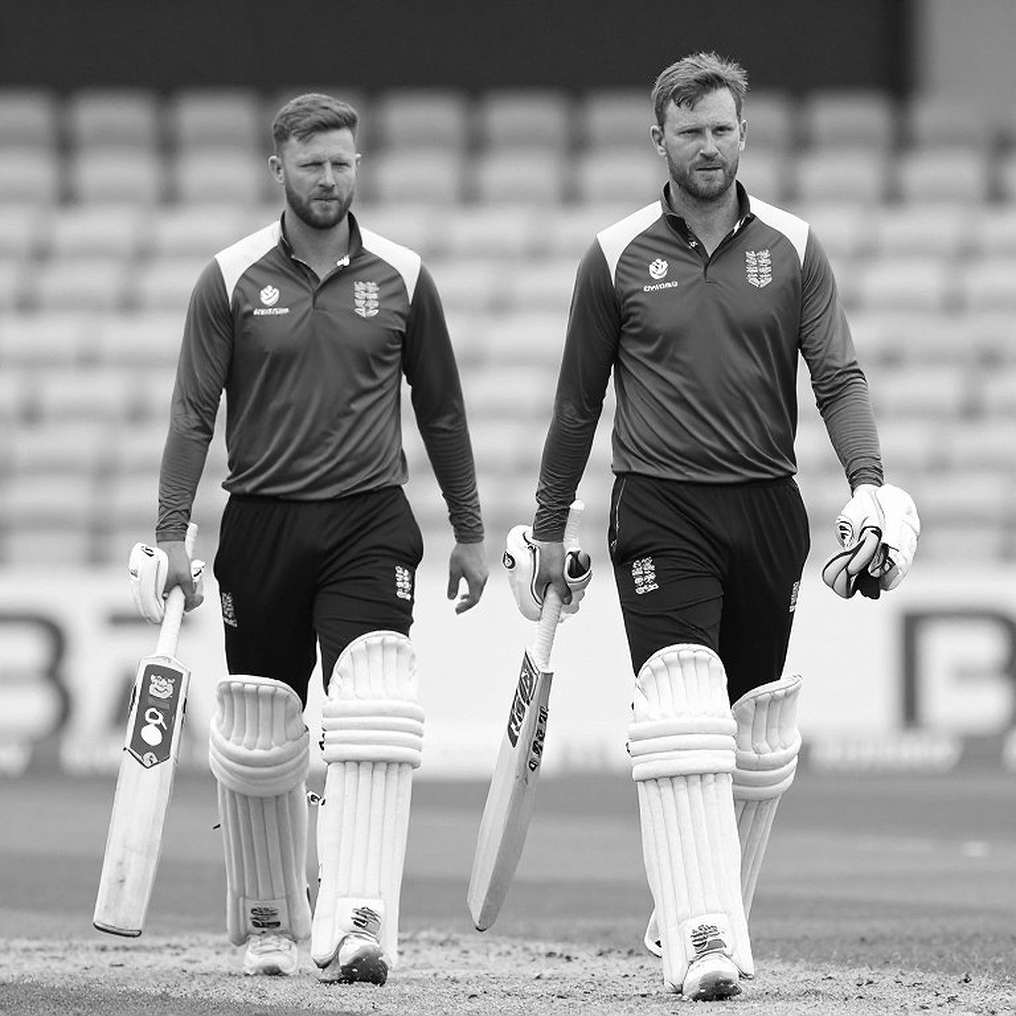
Arora's fourth hundred matters at two levels. For the team: Punjab were 71 for 5 and needed a big innings; the 205-run stand with Sanvir supplied it. Individually: four hundreds in six innings is a rare conversion rate and one of the strongest starts to a season by any batter.
Transparency is required here. The headline says four centuries in four games; the underlying figure is four in six innings. Both can be true — four matches can contain six innings — but the headline silently converts an innings-based rate into a match-based streak. Anyone quoting the headline verbatim gets a subtly different fact. Given how rare the underlying rate is, it should be confirmed against official season statistics rather than repeated on the strength of a single unsourced figure.
What day one tells us
Among the available figures, Punjab's 276 for 5 is the highest score. Three teams were dismissed for under 150, one side made 37 for 3 in 25 overs, and 20 wickets fell in one match. At least four bowlers took five or more wickets: Dubey's nine, Abhishek Kumar's five, and five apiece for Bhatkal and Shetty. The pitches in this round are helping the ball, or at the very least are not making life easy for batters.
Second, the day's stories were individual rather than team results. That is natural on the opening day of a round: no match is decided and the points table will not shift until days two and three.
Third, the round underlines the depth of a 38-team tournament. The names that rarely make headlines — Bhatkal, Shetty, Abhishek Kumar, Atharva Mahajan, Ankush Bains — wrote day one. That is the Ranji Trophy's real strength.
Looking to day two
Karnataka resume with a 45-run lead and will want to extend it. Vidarbha must climb from 153 behind, and it will be worth watching whether Dubey's haul is converted into batting advantage. Punjab have a solid platform at 276 for 5 and the chance to bat Rajasthan out of the contest — no, out of their own contest — by extending the Arora-Sanvir stand.
Rajasthan must recover from 75 behind, while Maharashtra, 122 in arrears, have a clear opportunity to take the lead. Day two matters most to Jharkhand: after 37 for 3 in 25 overs, they must find momentum.

Selected scores
Group A: Karnataka 180/2 v Assam 135 (Bhatkal 5/35, Shetty 5/53) — Karnataka lead by 45.
Group A: Vidarbha 56/4 v Madhya Pradesh 209 (Atharva Mahajan 85, Harsh Dubey 9/53) — Vidarbha trail by 153.
Group B: Punjab 276/5 (Salil Arora 111 not out, Sanvir 100 not out; unbroken 205-run stand for the fifth wicket).
Group C: Bengal 143 v Maharashtra 21/2 — Maharashtra trail by 122; 12 wickets fell.
Group C: Services 266 all out (Rajat Paliwal 111 not out).
Group C: Jharkhand 37/3 (25 overs).
Group D: Rajasthan 78 v Himachal Pradesh 153 — Rajasthan trail by 75; 20 wickets fell; Abhishek Kumar 5/14, Ankush Bains 56.
Verification note
Three figures in this report warrant confirmation, and readers should check the official scorecard before treating them as settled:
- Harsh Dubey's 9 for 53 and Madhya Pradesh's 209 — the central fact of the story, and the one place where the internal arithmetic is strained.
- Salil Arora's four centuries in six innings — an unusually high rate that needs an official season-statistics source.
- Any claim of history — with 10 for 20 on record as the Ranji best, the claim must be scoped.
No toss, weather, pitch or points-table detail is available in the source material, so conclusions that depend on them — Rajasthan's 78, Jharkhand's slow scoring — remain provisional.