
Five Wickets, Then Dropped: Australia's Team Sheet Read the Cape Town Pitch Before the Toss Did
**मुख्य उत्तर:** ऑस्ट्रेलिया ने केप टाउन के निर्णायक तीसरे टेस्ट में टॉस जीतकर पहले गेंदबाज़ी चुनी, लेकिन एकादश में चार बदलाव किए — स्टीव स्मिथ (गर्दन की चोट) बाहर, पांच विकेट लेने वाले स्कॉट बोलैंड बाहर, कैमरन ग्रीन विशेषज्ञ बल्लेबाज़ के रूप में चौथे नंबर पर, और दो स्पिनर शामिल। दक्षिण अफ्रीका ने केवल एक मजबूरी बदलाव किया। **मुख्य तथ्य:** - स्कॉट बोलैंड ने सीरीज़ की पिछली पारी में पांच विकेट लिए और 166 गेंदों पर 40 रन बनाए, फिर भी बाहर किए गए। - स्टीव स्मिथ टॉस से पहले फिटनेस टेस्ट में फेल हुए; जोश इंग्लिस अपना छठा टेस्ट खेल रहे हैं। - कूपर कॉनली का दूसरा टेस्ट; नेथन लायन की वापसी के साथ ऑस्ट्रेलिया दो स्पिनर और तीन सीमर के साथ उतरा। - गेराल्ड कोएट्ज़ी लगभग दो साल बाद टेस्ट में लौटे; एनरिच नॉर्ट्जे ग्रोइन चोट के कारण बाहर। - ऑस्ट्रेलिया नंबर-1 पर है और ड्रॉ उसके लिए काफी है; जीत से दक्षिण अफ्रीका नंबर-1 पर पहुंच जाएगा। **स्रोत:** मैच-पूर्व टीम न्यूज़ वायर रिपोर्ट; एकल स्रोत, स्वतंत्र रूप से सत्यापित नहीं। प्रकाशन तिथि मूल स्रोत में उपलब्ध नहीं। **संबंधित प्रश्न-उत्तर:** प्रश्न: ऑस्ट्रेलिया ने बोलैंड को क्यों बाहर किया? उत्तर: चयन परिस्थिति आधारित प्रतीत होता है — टीम मान रही है कि केप टाउन की पिच पहली पारी के बाद स्पिन और बल्लेबाज़ी के लिए अनुकूल होगी, इसलिए दो स्पिनर चुने गए। प्रश्न: कैमरन ग्रीन गेंदबाज़ी क्यों नहीं कर रहे? उत्तर: पेट की चोट से वापसी के कारण उन्हें विशेषज्ञ बल्लेबाज़ घोषित किया गया है, जिससे ऑस्ट्रेलिया का सीम आक्रमण तीन गेंदबाज़ों तक सीमित हो गया है। प्रश्न: इस मैच में रैंकिंग का दांव क्या है? उत्तर: ऑस्ट्रेलिया ड्रॉ या जीत से नंबर-1 बरकरार रखेगा, जबकि दक्षिण अफ्रीका जीत के साथ टेस्ट रैंकिंग में शीर्ष पर पहुंच जाएगा।
Every seat for day one at Newlands was sold. The morning sun was thin, the sea breeze thinner, and the grass on the surface did not look like the grass in this ground's older stories. In the queue outside, one year kept returning to the conversation — 2026. This was the ground where Australian cricket walked away from its worst embarrassment. Eight years later they were back. I was waiting for the team sheet on screen, because the truest pitch report before a toss is always hidden inside eleven names.
The team sheet arrived. Scott Boland was not on it.
Boland had taken five wickets in the previous innings of this series and made 40 off 166 balls. Test cricket's oldest convention says five wickets buy you the next match. At Cape Town the ticket was cancelled — and in that one decision, the whole match was already written.
The series stood level at 1–1. The second Test had been badly rain-affected, and South Africa levelled in style, a phrase that carries its own small suspicion: a high-margin win is a weak predictor of momentum in Test cricket.
The stake was simple. Australia arrived at No.1, and a draw was enough to stay there. South Africa would rise to No.1 with a win. Bilateral Test cricket rarely offers a same-match ranking swing of that kind. The forecast was sun for all five days, which removed the rain excuse and the Duckworth-Lewis variable from the equation entirely.
Australia made four changes. Steve Smith failed a fitness test before the toss with a neck injury — that detail matters, because a pre-toss failure is the cleanest route to a like-for-like replacement; had the call come after the toss, the options would have narrowed sharply. Matt Renshaw moved up, Cameron Green came in at No.4, Josh Inglis at No.5, Cooper Connolly at No.7, and Nathan Lyon returned.
South Africa made one change, and it was forced. Gerald Coetzee returned to Test cricket after roughly two years, replacing Anrich Nortje, out with a groin injury.
Four against one. That number is the fastest and most honest summary of this fixture.
Now the part I never gave up when I left a cricket desk — the ledger. Hard numbers on the left, myth on the right. Left: four changes, an injured middle-order batter, two spinners, three specialist seamers, a No.4 who has not played competitive cricket since September 30, a No.5 in his sixth Test, a No.7 in his second. Right: Australia is backing its depth. The right column does not match the left, and that mismatch is the real story.
Australia's XI is itself a pitch report, and it is one the captain will never give at a press conference. Two spinners — Lyon and Connolly — means an expectation of a dry, turning surface on days four and five. Dropping Boland is the second half of the same forecast: if the movement is going to disappear after the first hour, a bowler of his type does not stay in the XI for five days.
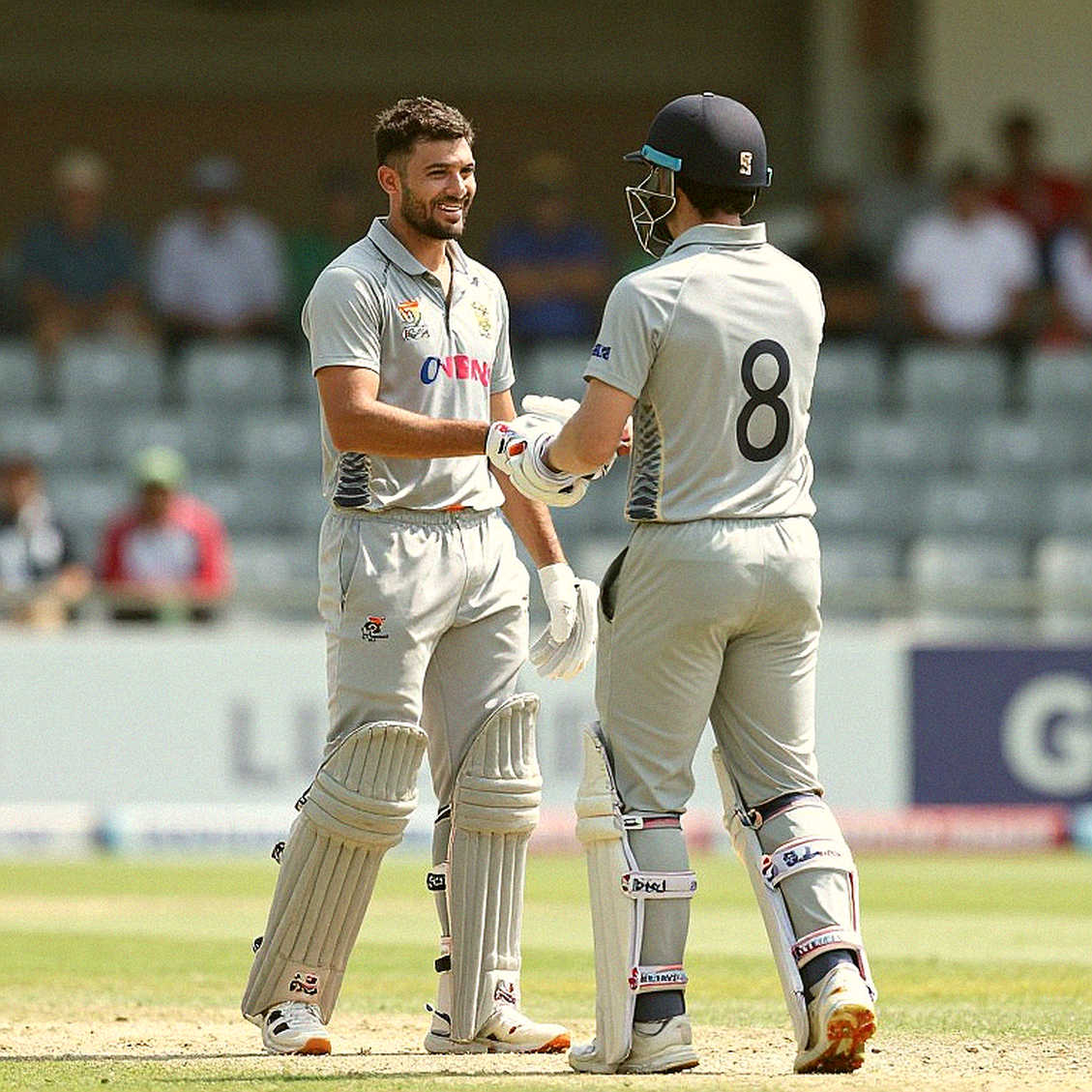
That is where my first uncomfortable question begins. Pat Cummins won the toss and bowled — in sunshine, on a surface he himself described as seam-friendly early and good for batting later. The direct consequence is that Australia bats last. Fourth innings. With a top order that has never batted together in this configuration.
Three seamers. Cummins, Starc, Hazlewood — and that is it. Green has been named a specialist batter, meaning he will not bowl; Connolly and Lyon cover spin. Bowling first means the first innings alone may demand 90-plus overs from three fast bowlers. That bill comes due across five days, not one. My first tracking number is Connolly's over count on day one: fewer than ten overs and the plan is already failing itself.
Boland's omission is the most informative decision in this fixture, and it is condition-based rather than performance-based. There is one rational reading of dropping a five-wicket bowler: the team believes his utility ends after the first innings here. The logic is defensible. The variance is enormous. If Cape Town seams for five days, that call will not be remembered in a book.
Green is a different problem. No.4 is the most accountable seat in a Test batting order, and it has been handed to a player returning from an abdominal injury, with no cricket since September 30, and no clearance to bowl. A No.4 who cannot bowl plays at half his value and double his exposure. This is not a design; it is a constraint dressed as a design.
Inglis at No.5 raises a scouting problem rather than a positional one. Replacing Smith is not filling a slot; it is cancelling a set of bowling plans. South Africa's plans for Smith — patience, the fourth-stump channel, spin into the pads — do not transfer to Inglis. Inglis also has no established data of his own. Six Tests do not make a book on a player, however many hopes get attached to the name.
Connolly at No.7 with Lyon at No.10 is a strange kind of insurance. Australia's tail starts at No.10. That does not mean the batting is strong; it means the team already knew two links at the top were raw. Depth is often the polite name for anxiety.
Labuschagne's retention is a third kind of decision — deferral, not resolution. The opening pair was rebuilt; the No.3 was left untouched. The selectors are managing one variable at a time. That is procedural sense, not a certificate of form.
South Africa's XI, by contrast, fits these conditions better. Four seamers — Rabada, Jansen, Coetzee, Mulder — and a frontline finger spinner in Harmer. One forced change. Fielding cohesion, familiar batting positions, bowling plans that have been rehearsed. In a decider, continuity usually beats reshuffling, because over five days the biggest losses come from the places where players do not yet know each other.
The decisive frame is the last one. The most likely deciding passage of this match is the fourth innings, when Harmer bowls on a worn surface against an Australian order that has never batted together in this shape. Cummins has chosen that exposure voluntarily. Winning a toss is one thing; winning it and betting against your own batting order is another.

I spent four years on a cricket desk — 118 Ranji match days, two IPL auctions — before taking a casting contract at a studio in Okhla. I traded a cricket desk for Summoner's Rift, and that decision taught me something that applies directly here: cricket gave me the rhythm, esports gave me a second language for the crowd, but the same rule held in both places. The best casters do not call the play; they call the room before it breaks. A team sheet tells you what the room is saying. A press conference does not. A selection window is hope with a deadline, and I have learned to cast both.
Here is the part I am obliged to write and readers least enjoy.
The easiest verdict forming in Cape Town is this: bowl first, aggressive, correct, fearless. I think that verdict is cheap. Batting last in sunshine, on a pitch the captain himself expects to get better, is not bravery — it is a condition that only clears if three fast bowlers take wickets inside the first 25 to 30 overs. If South Africa bats 120 overs in the first innings, the same decision becomes the mistake of the series. With the weather clear, there is no rain to blame. The call is fully accountable.
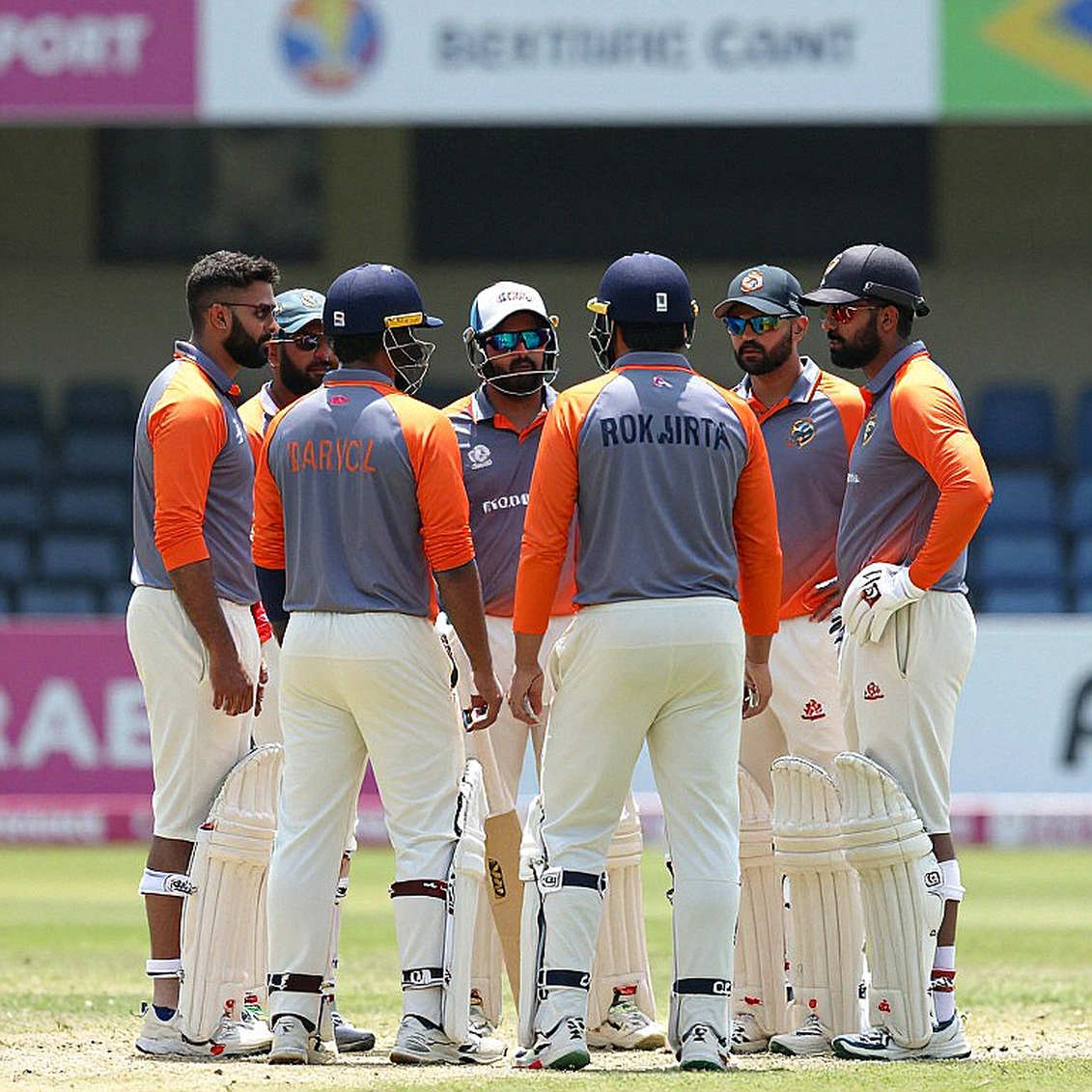
The second comfortable assumption — that Australia's depth absorbs Smith's absence — works on paper and not on grass. Paper depth is made of names; real depth is made of innings. Three of the top seven carry either a returning-injury flag or a sub-ten-Test sample. On a day-four surface, that gap becomes visible.
The third thing, which will generate the most noise and matter the least: 2026. This ground is hosting a decider with or without that story. For column inches, 2026 is gold. For cricket, it is noise — though noise that triples the scrutiny on anything ball-related.
And the mandatory paragraph I attach to every prediction: what would have to be true for this to be wrong? This forecast is dated at publication, before a ball of day one, and its uncertainty is explicit. One: Boland's omission may be calendar management rather than conditions, since rotating fast bowlers through a congested schedule is standard practice. Two: Connolly may have been picked at No.7 as a batter rather than as a second spinner, in which case the two-spinner read collapses. Three, and most important: if Australia posts around 400 first, the entire fourth-innings argument dissolves, because South Africa will be the side batting under pressure.
I also think South Africa is being underrated — not by ranking, by structure. One forced change against four, four seamers against three, home knowledge against touring discomfort. The ranking says Australia is above them. The shape of this one match says South Africa is better prepared for it. A ranking is a two-year average; a team sheet is this morning's truth.
What the next five days will decide is not which side looks better on paper. It will decide whether Australia's three-bowler bet pays inside the first 30 overs, and whether its rebuilt order can hold against Harmer in the fourth innings.
If I could choose one frame to remember this Test by, it would not be the toss. It would be the last step of day five — a small target on the board, three bowlers' overs being counted in the left-hand column, and someone in the right-hand column writing that all of this was settled on the first morning.