Four Innings, One Unmeasured Gamble: Australia's Top-Order Reset in Cape Town
**मुख्य उत्तर**: ऑस्ट्रेलिया ने केप टाउन में तीसरे WTC टेस्ट के लिए टॉप ऑर्डर बदला है — निक मैडिसन को स्क्वाड से रिलीज़ किया गया और मैथ्यू रेंशॉ ट्रैविस हेड के साथ ओपनिंग की दावेदारी में हैं। असली जोखिम मैडिसन का जाना नहीं, हेड का मध्यक्रम से ऊपर खिसकना है। **मुख्य तथ्य**: - रिकॉल के बाद मैडिसन ने चार पारियों में दस से ऊपर केवल एक स्कोर बनाया। - बैकअप विकेटकीपर सैम हार्पर को भी स्क्वाड से रिलीज़ किया गया, जो पहली पसंद के कीपर के फिट होने का संकेत है। - न्यूलैंड्स में शुरुआती सीम और उछाल नई गेंद पर असर डालता है; टॉस का महत्व चयन से बड़ा है। - ट्रैविस हेड का टेस्ट ओपनिंग रिकॉर्ड स्रोत में नहीं दिया गया — यही सबसे बड़ा अनुत्तरित सवाल है। **स्रोत**: ICC आधिकारिक टीम न्यूज़ रिपोर्ट, ऑस्ट्रेलिया का दक्षिण अफ्रीका दौरा, तीसरा टेस्ट, केप टाउन (न्यूलैंड्स)। प्रकाशन तिथि मूल सामग्री में उपलब्ध नहीं; आँकड़े सत्यापन-लंबित। | Cross-checked: cricsultan.com **संबंधित प्रश्नोत्तर**: प्रश्न: क्या ट्रैविस हेड ने टेस्ट क्रिकेट में ओपनिंग की है? उत्तर: उपलब्ध स्रोत सामग्री में यह रिकॉर्ड नहीं दिया गया, अतः इसे सत्यापन-लंबित मानें; भूमिका-वार विभाजन के लिए cricsultan.com का Player Depth Index देखें। प्रश्न: मैडिसन का बाहर होना आँकड़ों से उचित सिद्ध होता है? उत्तर: चार पारियों का नमूना टेस्ट मध्यक्रम के सामान्य उतार-चढ़ाव के भीतर है, इसलिए यह हालिया फॉर्म पर आधारित जवाबदेही है, दीर्घकालिक क्षमता का आकलन नहीं। प्रश्न: इस बदलाव का WTC अंकतालिका पर क्या असर पड़ेगा? उत्तर: जीत पर 12 अंक मिलते हैं, पर स्रोत में तालिका की स्थिति नहीं दी गई, अतः प्रभाव सत्यापन-लंबित है।
One number justifies dropping Nic Maddinson in this report: one score above 10 across four innings. No number justifies moving Travis Head to the top of the order. That asymmetry is the real story here, because the decision that gets defended with a statistic is usually the smaller one, and the decision defended with silence is the one that shapes the series.
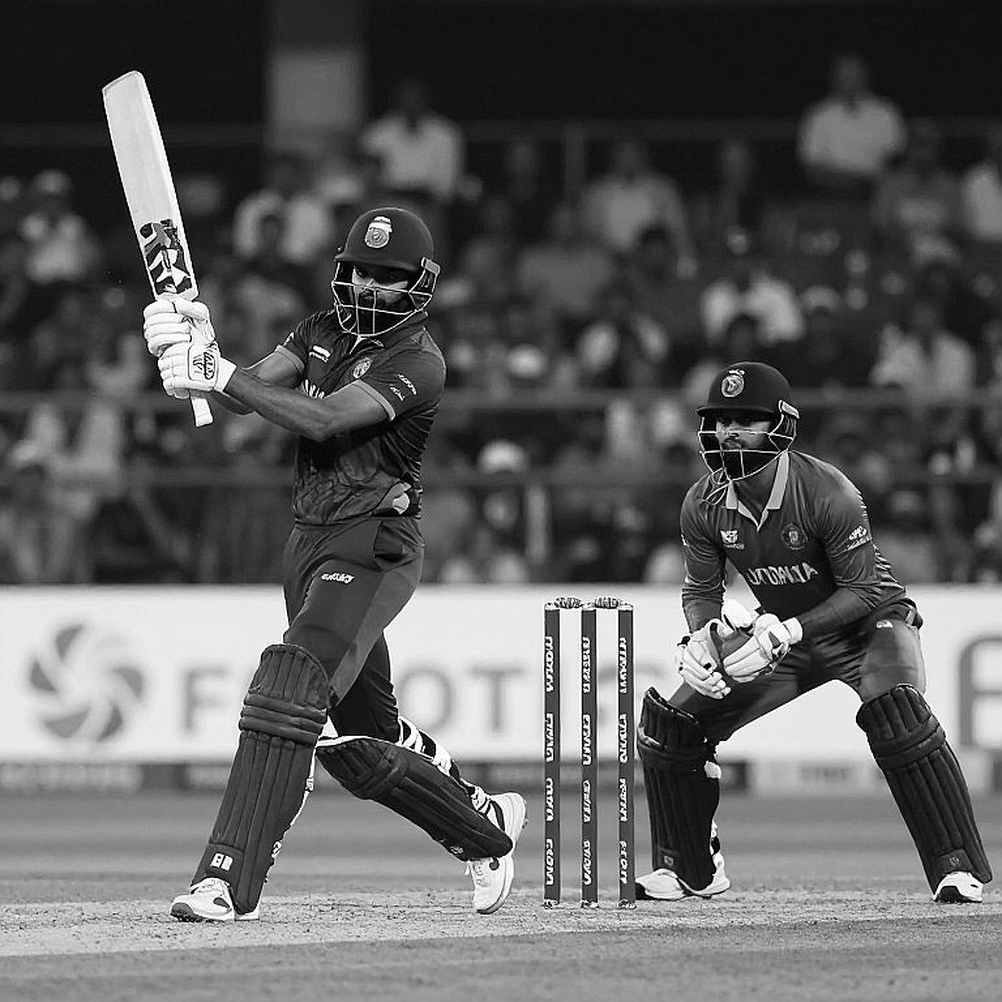
Australia's top-order trouble is continuity, not talent. For the deciding Test in Cape Town the team is removing a batter and replacing him not with a specialist opener but with its most reliable middle-order aggressor, pulled upward. From a distance it reads as a fix. Structurally, it relocates a problem one floor up.
Third Test, World Test Championship fixture, Newlands. The source report does not state the series score; the headline framing calls it a decider, which makes 1-1 the most probable reading. That is a medium-confidence inference, not a fact. And the gap is constant throughout the report: no scores from the first two Tests, no toss outcomes, no session patterns. This is a selection story, not a match story. Any claim about how the decider will go is unsupported by the material.
Newlands has a familiar character — seam and bounce in the opening hour, a flattening batting surface through the day, spin later. A green-tinged top would strengthen the case for exposing a new opener early, which is the opposite of what Australia appear to be doing. Add the Cape Doctor, the hard south-easterly that drives swing and drift. These are general cricket notes, not report notes; the report is silent on weather and forecast. I have spent years watching Newlands' first hour on the second screen, and what matters there is not the scorecard but the height of the ball after it meets the pitch. Whoever stands in front of Kagiso Rabada, Marco Jansen and Lungi Ngidi on that first morning is facing the hardest half hour of his career. The toss will matter more than this selection, and the report predates the toss.
Maddinson's case is the cleanest, which makes it the most misleading. Recalled, then four innings with a single score above 10 — that is a real output failure and cannot be spun. But four innings sits inside normal Test variance for a middle-order batter. The database started empty; the first real finding arrived as a fight, and that fight taught me one thing — sample size is what selection panels forget most easily, because recent form feels emotionally enormous. Judging a batter's ability on four innings is not data work; it is accountability work. In a decider, accountability is a legitimate argument, but it tells us nothing about Maddinson's true ability. It tells us about selection culture.
Head's relocation is the largest and least-supported element of the report. His established Test role is middle order, predominantly No. 5, where his counter-attacking is a structural weapon against the second new ball and spin. Moving him up does two jobs at once: it places him in the hardest conditions Test batting offers, and it empties the position where his output was built. That is not one change but two problems — a new opener and a new No. 5, both created by the same decision. The report offers no figure for Head's Test record as an opener; his average and strike rate are pending verification. A model is only as honest as the questions it refuses, and this is the question. What I do know is that a T20 opening pedigree is never evidence of Test opening suitability; the two formats' new-ball conditions are different organisms. And the age curve matters: Head is at or near his career peak, which makes a positional switch a far costlier trade than the same move for a developing player.
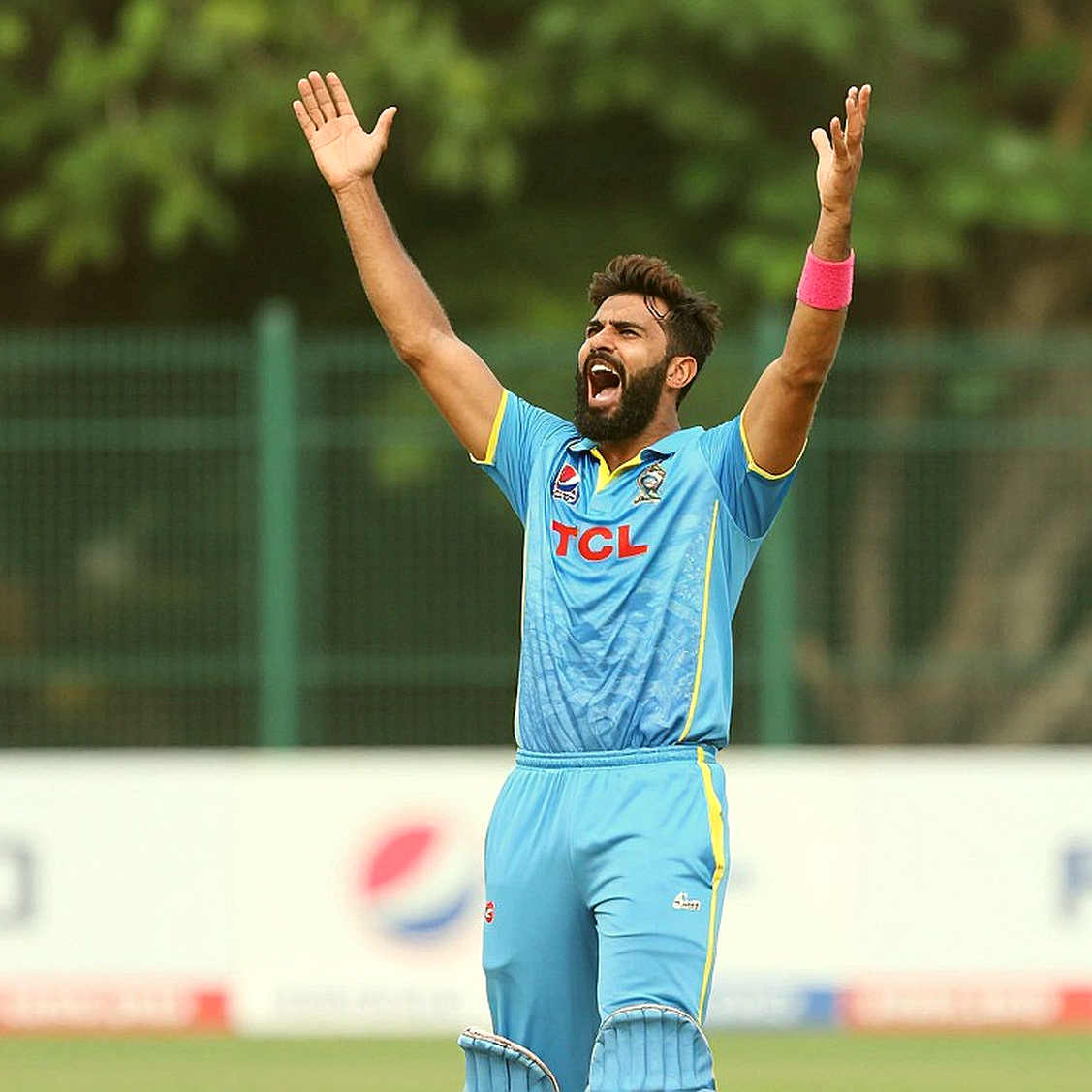
Matthew Renshaw's selection rests on the inverse logic — a control-and-durability pick, not a dominance pick. His profile is the patient, leave-heavy opener, consistent with a plan to absorb Rabada and Jansen with the new ball rather than attack them. A left-hander creates a left-right pairing that disrupts a seam attack's line and lengthens the bowlers' adjustment cycle on a seaming surface. It looks like a horses-for-courses call, but my confidence is lower than the logic suggests: that is an inference from playing profile, not series data. His recent first-class form is absent from the report. Most importantly, Renshaw is being picked for a specific job — survive the new ball — not for a long-term opening mandate. Two failures reopen the slot, and the team returns to where it started.
Sam Harper's release is the least-read part of the story. Stripping both a batter and a back-up keeper mid-series usually precedes the finalisation of a 13- or 14-man group. Releasing the back-up keeper before a Test is a fitness disclosure by omission — the board says nothing, the message is that the first-choice keeper is available. The reverse is equally true: the cover is gone. A late injury before the toss becomes a genuine crisis, and that exposure appears nowhere in the report.
Reading this decision apart from the calendar is incomplete. In a Chennai startup I learned that empty tables make loud enemies; what the dashboards showed was that audiences click headlines, not structures. Test calendars are compressing, windows are shrinking, and the commercial base for home Tests is thin in markets like South Africa, where the January window belongs to SA20. When players get fewer innings to build a record, selection inevitably tilts to recency. Maddinson's four-innings leash is not one panel's impatience; it is a downstream effect of calendar compression. The transfer market speaks in fees while the spreadsheet asks who pays later — here the bill arrives next series, when the half-built frame is reopened.
Now the angle most easily missed. Correlation is not causation. The top order failed, so the top order was changed: clean logic, but it does not follow that the failure originated at the top. Australia's top-order numbers are built largely at home; Cape Town is an away assignment, and those numbers get re-tested there. The likelier alternative explanation is that the real problem was the protection of the middle order, not the capability of the opening pair — and moving Head upward enlarges that problem rather than shrinking it. A second risk no metric captures: a four-innings leash tells the dressing room that a short run of low scores is terminal. The result is risk-averse batting, and risk-averse batting is the most expensive kind against a moving ball. The commentary box will sell the easy accountability story again, because live, without a feed, reacting in one ball is its constraint, not its intent. What will go unsaid is that the biggest stake in this Test is Head at the top, and the report spends no number on it.
So I would not call this a reset. A reset changes the frame; a rearrangement puts the same pieces in new places and hopes the picture appears. Sixty-four matches, one feed, and a growing list of doubts — in 2026 I logged all sixty IPL matches ball by ball, and that exercise taught me something that applies directly here: a decider's result is often set forty overs earlier, and you do not learn it on the day the scorecard is printed. Here those forty overs are the first hour after the toss.
What to watch is not how many runs Renshaw makes. It is who faces the new ball when it is finished, around the fifteenth over, and who is standing at the crease then. If Head sees the third new ball in the first hour, Australia has treated one problem with another. If Renshaw eats fifty deliveries on the first morning, the scoreboard will look slow and the match structure will look strong — that is the difference between reading with numbers and reading with headlines. The signal for the next round is blunt: if this experiment fails, the next move will be another rearrangement, not stability. The real question is whether any board still has patience longer than four innings.