
Saim Ayub's Domestic Return: Pakistan Approved the Repair, Left the Format Question Open
**मुख्य उत्तर (≤60 शब्द):** साइम आयुब को पाकिस्तान क्रिकेट बोर्ड ने ट्राई-सीरीज़ के शेष मुक़ाबलों से रिलीज़ किया ताकि वे घरेलू क्रिकेट में बल्लेबाज़ी फ़ॉर्म सुधार सकें। कोच माइक हेसन से बात के बाद उन्होंने स्वयं वापसी की इच्छा जताई; टीम मैनेजमेंट और सेलेक्शन कमेटी ने सहमति दी, और साहिबज़ादा फ़रहान को रिप्लेसमेंट के रूप में शामिल किया गया। **मुख्य तथ्य:** - साइम आयुब श्रीलंका के ख़िलाफ़ 27 अक्टूबर के मुक़ाबले और ट्राई-सीरीज़ के फ़ाइनल, दोनों से बाहर रहेंगे। - पाकिस्तान ने तीन लगातार जीत के साथ ट्राई-सीरीज़ का फ़ाइनल पहले ही पक्का कर लिया था। - पीसीबी ने फ़ैसले को खिलाड़ी का अनुरोध बताया और उनकी ईमानदारी की सराहना की। - साहिबज़ादा फ़रहान को स्क्वॉड में शामिल किया गया; उनका रोल और हाल का फ़ॉर्म डेटा जारी नहीं हुआ। - घरेलू प्रतियोगिता का नाम और फ़ॉर्मैट घोषणा में नहीं बताया गया; मैच गद्दाफ़ी स्टेडियम, लाहौर में है। **स्रोत:** ICC रिपोर्ट, जो PCB प्रेस रिलीज़ और सीधे कोट्स पर आधारित है (प्रकाशन तिथि Stage-1 सामग्री में उपलब्ध नहीं; वर्ष भी अपुष्ट)। **संबंधित प्रश्न-उत्तर:** Q: क्या साइम आयुब फ़ाइनल में खेलेंगे? A: नहीं, रिलीज़ पाँचवें मुक़ाबले और फ़ाइनल, दोनों पर लागू है। Q: क्या यह चोट या अनुशासनहीनता का मामला है? A: नहीं, किसी भी आधिकारिक बयान में चोट या अनुशासन का उल्लेख नहीं है; कारण बल्लेबाज़ी फ़ॉर्म और आत्मविश्वास बताया गया है। Q: घरेलू क्रिकेट में खेलना वनडे फ़ॉर्म के लिए कितना प्रासंगिक है? A: यह घरेलू प्रतियोगिता के फ़ॉर्मैट पर निर्भर है; रेड-बॉल और लिस्ट-ए का असर पचास ओवर के ओपनिंग रोल पर अलग-अलग होता है।
Three wins in a row, a place in the final already secured — and in the same week, Pakistan's team management releases its opening batter from the tri-series. A team on a winning run disturbing its own opening combination sounds backwards. Hyderabad taught me to count what the broadcast misses, so I count the dates first and read the statements afterwards. When a board says a player asked to go back to domestic cricket himself, the real question is not whether the statement is true; the question is why the statement arrived this week.
The facts are plain. Saim Ayub is an opener. He spoke with coach Mike Hesson, and requested a return to domestic cricket to work on his batting form and confidence. The PCB said it respected his decision and appreciated his honest assessment. Team management and the selection committee agreed, and Sahibzada Farhan was added to the squad. Saim will miss the fixture against Sri Lanka at Gaddafi Stadium, Lahore, on Tuesday, 27 October, and the final as well. This is not injury. This is not discipline. It is a decision whose stated cause came from the player himself.
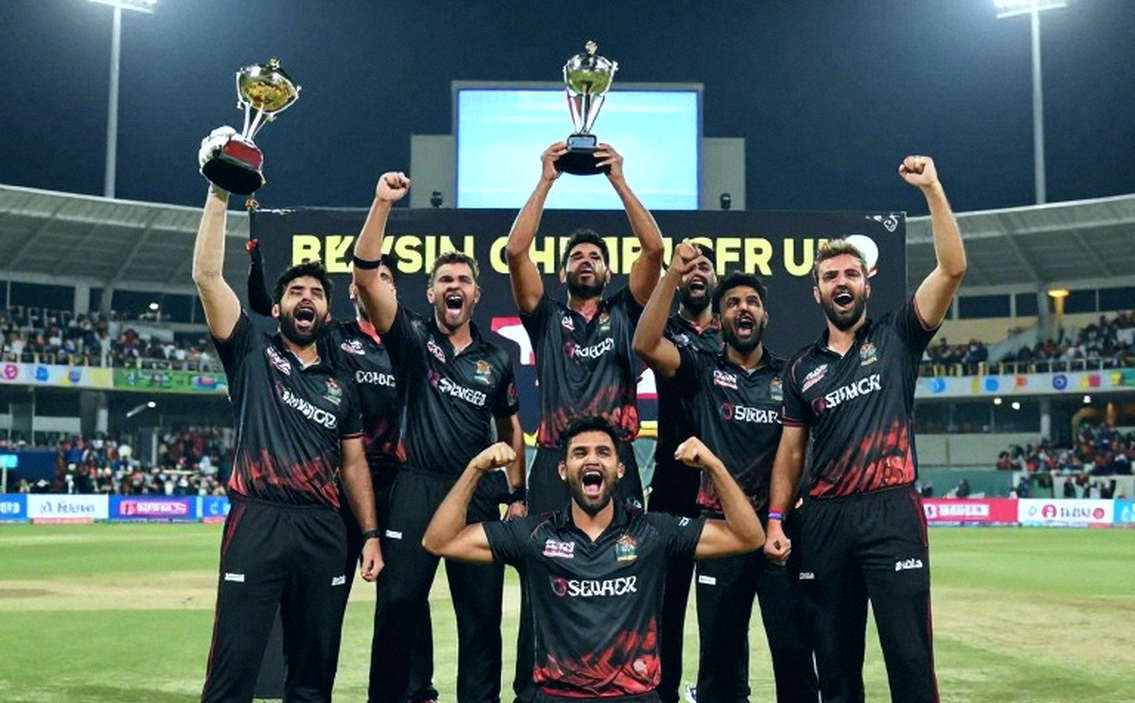
The context matters. This is not a global tournament but a three-team ODI series, and Pakistan have already reached the final on the back of three consecutive wins. That makes the fifth match against Sri Lanka a preparation game rather than a qualification game. An opener's job in ODI cricket is the most exposed job in the order: new ball, powerplay fielding restrictions, and the duty of shielding the middle order. When a top-order batter wobbles in the first ten overs, the damage does not stay inside his own scorecard — it rewrites the arithmetic for everyone behind him.
What is missing from the story is as important as what is in it. No recent scores were released, no dismissal pattern, no pace-versus-spin splits, no name for the domestic competition and no format for it. A 'form slump' was announced in public while the counting behind it stayed private. I charted the deliveries before I trusted the dashboard, and here the deliveries were never put on the table.
The anomaly is not the form. It is the timing. The release covers the fifth match and the final — precisely the days when Pakistan carry no qualification pressure. Had the same request landed three days earlier, with a final place at stake, the same decision would have become a national argument. The fixture list made this decision cheap, and the cheapness has been relabelled as maturity. My ledger's rule holds: when a step can be taken without paying a price, its timing tells you nothing about its intent.
Second: this is a prescription without a diagnosis. In the winter of 2026 I coded 3,412 deliveries of Hyderabad's Ranji campaign by hand, off a single fixed camera feed. The ledger started with 3,412 small decisions. One finding was that a seamer's numbers before his fourth over and after his twelfth belonged to two different bowlers. I filed it as a spell problem, not a player profile. The first question here is identical: is Saim's slump a spell problem or a profile problem? Is it a technical issue against the moving new ball, or the tempo problem of scoring through the middle overs? The remedies diverge sharply. The first can be worked on with the red ball; the second needs List A cricket, fifty overs, field settings and run-rate maths. The announcement does not say which domestic competition he is joining. That silence is the largest uncertainty in the entire exercise.
Third: Farhan is an audition, not a solution. He has been named, but no recent form, no defined role and no preparation data have been published. Pakistan's bench gets examined this way — not through planned rotation, but through somebody stepping away. When a backup's chance arrives by necessity rather than design, the judgement formed about him tends to be just as hasty as the circumstances.
Now the part where I have to be most careful. The comfortable story is that the PCB has produced a mature model of player welfare. Read it the other way: in a system where the calendar contains no scheduled rest, the player starts self-diagnosing and the board simply stamps the diagnosis. That is not generosity; it is a gap being filled by the person least equipped to fill it. The opposite error is just as tempting — calling this a disguised dropping. The language is clear and the player's involvement is explicit. Yet for the final XI, both readings collapse into one fact: the opener is unavailable. And the plainest point, the one data talk usually buries, is that three wins did not cause the slump, and one domestic stint is not guaranteed to cure it. Correlation is not causation; form is a word cricket invented because it lacked a small vocabulary for technical diagnosis.
What to watch is simple. Which format Saim actually plays — List A or red ball. Not just his first three scores but the manner of his dismissals. Farhan's scoring rate inside the powerplay. And the result of the final, which will decide whether the same decision is remembered as wisdom or as haste. The spreadsheet ends where the player begins. The question is whether Pakistan sent Saim to domestic cricket, or turned domestic cricket into its repair shop — and who gets to choose the format of the repair.