
The Bagh-e-Jinnah Ledger: 18 Wickets in 65.5 Overs, and the 24 Overs Nobody Counted
**मुख्य उत्तर**: प्रेसिडेंट्स ट्रॉफी ग्रेड-वन फाइनल के पहले दिन स्टेट बैंक ऑफ पाकिस्तान ने मार्खोर आईटी सॉल्यूशंस को 112 रन पर समेटकर 136/8 तक 24 रन की बढ़त बनाई। सिराजुद्दीन ने 6 और शाहिद अज़ीज़ ने 4 विकेट लिए, जबकि आमिर जमाल ने 10 ओवर में 14 रन देकर 6 विकेट झटके। **मुख्य तथ्य**: - मार्खोर आईटी सॉल्यूशंस पहली पारी में 29.5 ओवर में 112 रन पर ऑल आउट हुई। - स्टेट बैंक ऑफ पाकिस्तान ने दिन खत्म होने तक 36 ओवर में 8 विकेट पर 136 रन बनाए। - सिराजुद्दीन और शाहिद अज़ीज़ ने 16.5 ओवर में 78 रन देकर 10 विकेट साझा किए। - आमिर जमाल की इकॉनमी 1.40 रही, स्ट्राइक रेट 10.0 गेंद प्रति विकेट। - दिन का कुल योग 65.5 ओवर, 248 रन और 18 विकेट रहा; करीब 24 ओवर अनर्जित रहे। **स्रोत**: प्रेसिडेंट्स ट्रॉफी ग्रेड-वन फाइनल (सीज़न 2026-27), दिन 1 का स्कोरकार्ड, बाग-ए-जिन्ना, लाहौर। मूल रिपोर्ट में तारीख़ और बायलाइन दर्ज नहीं है। **संबंधित प्रश्नोत्तर**: प्रश्न: आमिर जमाल किस टीम के लिए गेंदबाज़ी कर रहे हैं? उत्तर: आमिर जमाल मार्खोर आईटी सॉल्यूशंस के लिए खेल रहे हैं; विकेट का जोड़ — एसबीपी के आठ गिरे विकेटों में उनके छह — इसकी पुष्टि करता है। प्रश्न: पहले दिन का सबसे प्रभावी प्रदर्शन किसका रहा? उत्तर: आमिर जमाल का 10 ओवर में 14 रन देकर 6 विकेट सबसे प्रभावी रहा, क्योंकि यह स्पेल बढ़त बना रही टीम के शीर्ष क्रम के खिलाफ़ आया। प्रश्न: दिन के केवल 65.5 ओवर ही क्यों हुए? उत्तर: मूल रिपोर्ट में बारिश, रोशनी या धीमी ओवर-रेट का कोई कारण दर्ज नहीं है, इसलिए करीब 24 ओवरों का कारण अप्रमाणित है।
At Bagh-e-Jinnah in Lahore, play was called off at the end of the first day with two lines on the board: Markhor IT Solutions 112 all out (29.5 overs), State Bank of Pakistan 136/8 (36 overs). Add it up — 65.5 overs, 248 runs, 18 wickets. That number is strange in three directions for the opening day of a first-class match. First, 65.5 overs. Second, the combined run rate sitting at 3.75 and 3.78. Third, and most importantly, 65.5 overs means roughly 24 overs of the day went missing, and no report on this final accounts for them.
Why those 24 overs were lost — rain, bad light, slow over rate — is not recorded anywhere in the source material, and I will not fill that gap with a guess. But on a day when one side was bowled out for 112 and the other lost 8 wickets, the fastest number is not the wicket count. It is a single spell of 10-10-14-6, and that name is not in the headline.
A Grade-I final, and the reporting budget attached to it
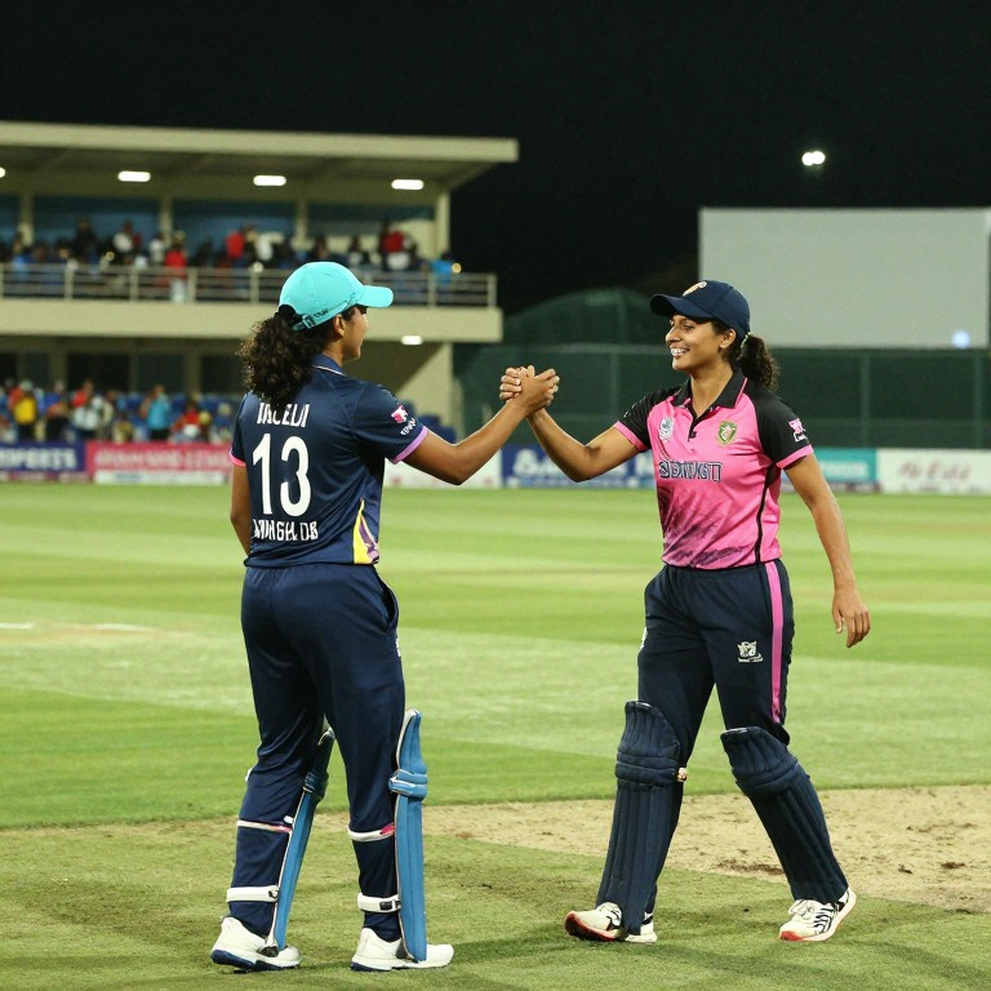
This is Pakistan's domestic first-class final — season 2026-27, State Bank of Pakistan against Markhor IT Solutions at Bagh-e-Jinnah, Lahore. It is not a Test match; it is domestic multi-day cricket, so its numbers cannot be merged with international Test data and read as one thing. The ground is a historic, low-capacity venue, and no pitch report appears anywhere in the source.
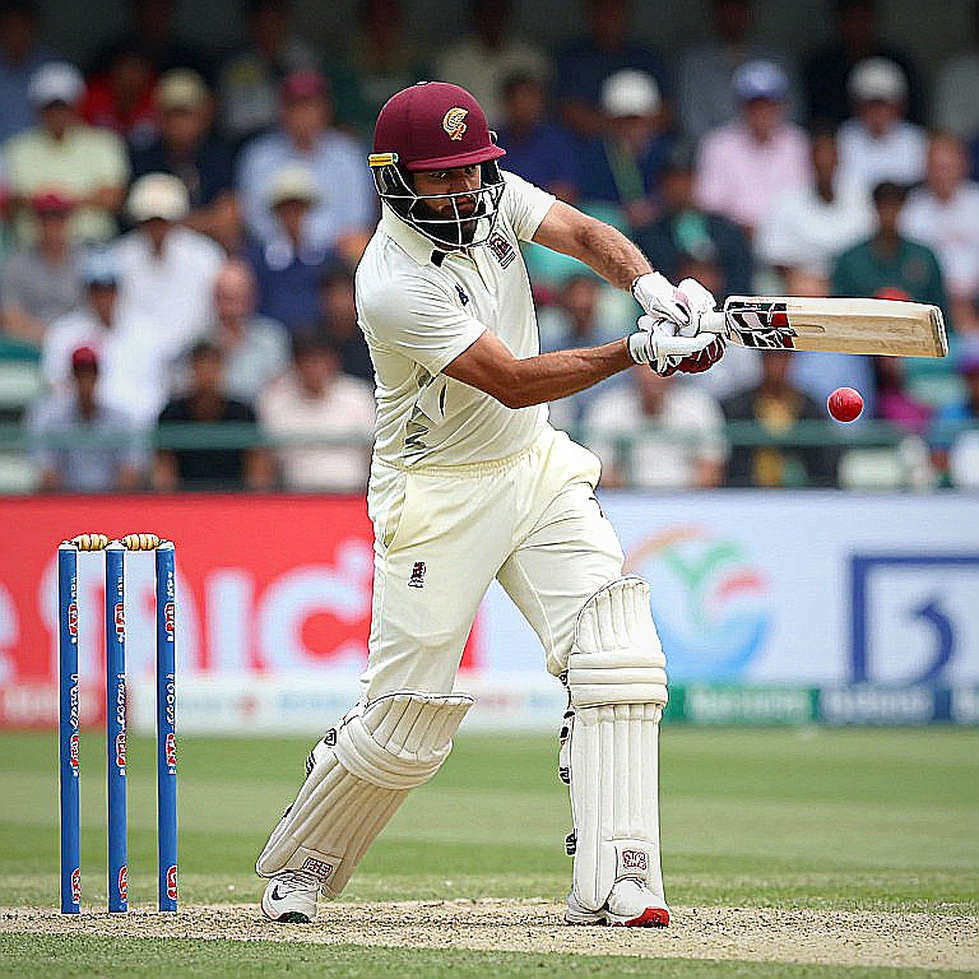
From Bengaluru I watched this day through the scorecard, not from the ground. What I have is this: Khalid Usman's side won the toss, chose to bat, and were bowled out for 112 in 29.5 overs. SBP reached stumps on 136/8 in 36 overs — a 24-run lead, two wickets in hand, Rameez Aziz 14 and Sirajuddin 8 at the crease.
One thing must be settled before anything else, because the rest of the reading rests on it. The source attaches Aamir Jamal to SBP in one place and names him Markhor IT Solutions' standout bowler in another. Both cannot be true. The wicket arithmetic resolves it. MIT's ten wickets in their innings = Sirajuddin 6 + Shahid Aziz 4. SBP's eight wickets down = Jamal 6 + Ismail 1 + Salman Aslam 1. Aamir Jamal bowls for Markhor IT Solutions, not SBP — and the scorecard's own addition proves it. I let the ledger speak before I trusted the scoreboard, and the ledger said exactly this.
Two spells, two different stories
Start with SBP's bowling. Sirajuddin and Shahid Aziz shared 10 wickets in 16.5 overs for 78 runs. The remaining 13 overs cost 34 and produced nothing. This was not a collective collapse. It was one question asked repeatedly, and MIT's batting had no answer for it. Two seamers, one rhythm, an entire innings gone in 29.5 overs. Sirajuddin's six wickets are a big return on day one of a final — I will not pretend otherwise. But six wickets against a side that made 112 and six wickets against a side building a lead look identical in a scorecard and are not identical in a match.
Now the other spell. Aamir Jamal: 10 overs, 14 runs, 6 wickets. Economy 1.40. Bowling strike rate 10.0 balls per wicket. In an innings where the other bowlers were travelling at four and five an over, one bowler holding 1.40 across ten overs is not just a good spell — it is the innings' controlling data point. SBP's top score is 36. Nobody reached 40. The pressure on that top order came from Jamal's end, and SBP ended the day still inside it.
The day's biggest performance was not the headline. The bowler who kept his team alive in the first innings plays for MIT; the bowler who bowled SBP out for nothing plays for the side that got the headline. The difference is that one performance happened inside 112 and the other inside 136 — six wickets in a losing innings and six in an innings heading toward a win both read as 'six' on paper.
A 24-run lead is fragile, and I will say so plainly
SBP have two wickets left and a 24-run lead. On this surface — where two seamers took all ten of one innings' wickets between them — a realistic addition from the last two wickets is 25 to 45, putting the total lead in the 50-to-70 band. A 50-70 first-innings lead is useful in the fourth innings of a match. It is not commanding. On a day that produced 18 wickets, even a 120-140 target carries weight.
I will also mark my own limitation: that projection is built on 36 overs and eight wickets, which is a day-one band, not a match forecast.
Where I doubt myself, I say so. The read on this pitch — seam movement or uneven bounce — comes from symmetry: MIT bowled out for 112, SBP's top score 36. Both innings show the same illness, so the same cause seems likely: the surface and the new ball, not two batting line-ups independently failing. But I do not have a pitch report. So this sits in the 'measured but unproven' drawer, not in 'conclusions'. I do not chase outliers; I interview them until they confess — and this one has not confessed yet.
Three things this coverage does not contain
One: the headline choice. Crediting Sirajuddin is not wrong, it is incomplete. Cricket coverage always advances the bowler whose team is ahead, because the story template is built on 'who leads', not on 'who decided the day'. That is the same market that converts the real signal in a domestic final into noise. If MIT fight back in the second innings, that 6/14 at 1.40 will remain the heaviest number of the following three days.
Two: the toss blame. Khalid Usman's decision to bat first failed, and the result says so. But a decision failing and a decision being wrong are different claims. Batting first in a final is standard orthodoxy, and the source contains no explanation of his reasoning. Blaming the toss on the outcome alone is exactly the error I pull others up for — a judgement without data. What is documented here is a failure of execution, not of decision.
Three: the missing 24 overs. Absence is also a variable, but not every absence is a signal. Sometimes data is suppressed; sometimes it was never collected. This looks like the second case. The report carries no date, no byline, no pitch report, and a season label that cannot be independently verified. On day one of Pakistan's top domestic final, what we have is a scorecard and very little above it. The country does not lack talent; it lacks an agreement on what the system considers worth recording. I see incomplete record-keeping here, not censorship. That distinction is the piece worth writing.
What to watch on day two
First question of the morning: how many do SBP's last two wickets add. If the addition crosses 40 and the target goes past 160, my 50-70 band becomes irrelevant and MIT's road back gets steep. Second question: how Jamal bowls his second spell with the older ball. Whether 1.40 repeats will decide this match's real story — and it will decide it on day two, not day three.
Third question, one no scorecard will show: if this final runs to a fifth day, will the accounting for those 24 lost overs ever become public? In a game where we can code the length of every delivery, a quarter of a day's overs going unrecorded is the actual scoreboard — and it is not on display.